Dormer Loft Conversion Cost UK 2026: What You'll Pay and Why
Quick Answer
A rear dormer loft conversion costs £35,000–65,000 for a standard build, an L-shaped dormer £45,000–80,000, and a side dormer £20,000–40,000. Key cost variables: dormer size, number of rooflights, structural steel requirements, party wall agreement, and whether a bathroom is added (add £5,000–12,000). Most rear dormers on houses fall under Permitted Development and do not require planning permission.
A dormer loft conversion is the most common way to add a genuine bedroom — or a bedroom with an en suite — to a UK property without touching the footprint of the house. Unlike a Velux conversion, which is limited by existing headroom, a dormer changes the roof structure itself, creating a usable square room with full-height walls and proper windows.
I've been in the building trade for 32 years. Dormer conversions are one of the most cost-effective projects a homeowner can undertake — when priced and specified correctly. The problem is the range is enormous. A rear dormer on a standard 3-bed semi runs £35,000–£65,000 in 2026. An L-shaped dormer on a Victorian terrace can reach £80,000. A modest side dormer starts at £20,000. The type, the size, the structural situation and the finish spec all drive the number significantly.
This guide gives you the real cost breakdown for each dormer type, explains what moves the price up and down, and covers planning permission so you know where you stand before you invite a single builder to quote.
Dormer Types and Cost Ranges at a Glance
Not all dormers are the same. The type dictates the structural complexity, the roofing area, the number of windows, and ultimately what the conversion delivers in terms of usable space.
| Dormer Type | Typical Cost Range | Usable Space Created | Planning Permission |
|---|---|---|---|
| Rear dormer (standard) | £35,000–£65,000 | One large bedroom ± en suite | Usually PD in England |
| L-shaped dormer | £45,000–£80,000 | Two bedrooms or large bedroom + dressing room | Usually PD in England |
| Side dormer | £20,000–£40,000 | Landing/study or small bedroom supplement | Often requires planning permission |
All dormer conversions — regardless of type — require Building Regulations approval. That covers structural safety, fire protection, insulation performance, electrical installation and the new staircase. A completion certificate from Building Control is required when you sell the property, so there is no way to skip this step.
Rear Dormer Cost Breakdown
The rear dormer is what most people picture when they hear "loft conversion." A box-shaped structure is built out through the rear slope of the roof, replacing the sloping ceiling with vertical walls and a flat or low-pitch roof. The result is a rectangular room with full headroom across its entire width — a proper bedroom, not a loft room with sloping ceilings that makes furniture placement awkward.
On a standard 3-bedroom semi-detached, a rear dormer runs the full width of the back of the house and creates enough floor area for a double bedroom plus an en suite. The table below shows where the money goes.
| Element | Cost Range | Notes |
|---|---|---|
| Architect's drawings and structural engineer | £1,500–£3,500 | Full plans required for Building Control submission |
| Building Control application and inspections | £700–£1,500 | Full Plans application strongly recommended |
| Scaffolding | £1,200–£2,500 | Required for safe roof access throughout the build |
| Structural steels (RSJs) | £2,000–£5,000 | Sized by structural engineer; depends on span |
| Floor joist strengthening | £1,500–£4,000 | New timber or steel floor joists to support floor loading |
| Dormer structure — timber frame and roof | £7,000–£13,000 | Full-width rear dormer on 3-bed semi |
| Flat roof covering (GRP or EPDM) | £1,500–£3,000 | GRP preferred — longer lifespan, fewer leak risks |
| Dormer windows — supply and fit (3 windows typical) | £2,000–£4,500 | uPVC standard; timber or aluminium on higher spec |
| Roof insulation | £2,000–£4,000 | PIR rigid boards between and below rafters — Building Regs minimum |
| New staircase | £2,500–£6,000 | Space-saving stairs common; standard pitch preferred by Building Control |
| Fire doors and mains-wired smoke detection | £1,200–£3,000 | FD30 doors on all rooms off protected staircase; interlinked detectors |
| First and second-fix electrics | £1,500–£3,000 | Lighting, sockets, extractor; notified to Building Control under Part P |
| En suite plumbing — first and second fix | £5,000–£12,000 | Optional; WC, basin, shower; waste runs to existing stack |
| Boarding, plastering and finishing | £3,000–£6,000 | Boarding rafters, plasterboard, skim coat throughout |
| Flooring, decoration, skirting and internal doors | £2,000–£4,500 | Carpet or LVT; paint; fire door sets |
| Total — bedroom only (no en suite) | £35,000–£52,000 | Standard rear dormer, bedroom only |
| Total — bedroom plus full en suite | £45,000–£65,000 | Most popular configuration |
The en suite adds significant value and is worth including in the original build — not as an afterthought once the loft is decorated. Returning to install plumbing through a finished loft means opening up walls, lifting flooring, and redecoration costs that far exceed the saving from deferring the work.
L-Shaped Dormer: What It Costs and Why
The L-shaped dormer is specific to Victorian terraced houses with a back addition — the lower rear extension common on terraces built from the 1860s through to around 1910. The main house has one roof, and the back addition has a separate, lower roof running perpendicular to it. An L-shaped dormer covers both roof slopes, joining them at an internal valley to create a much larger floor area than a standard rear dormer could ever achieve.
This configuration is more complex structurally because there are two dormer structures to build, two flat roofs (including a valley gutter between them), and the junction at the internal corner requires careful waterproofing detailing. Done properly, an L-shaped dormer on a 3-bed Victorian terrace creates enough space for two good-sized bedrooms plus a landing, or a large master bedroom suite with dressing room and en suite.
| Element | Cost Range |
|---|---|
| Design, structural engineering and Building Control | £2,500–£5,000 |
| Scaffolding (larger footprint) | £1,800–£3,500 |
| Structural steels — main house and back addition | £3,500–£7,000 |
| L-shaped dormer structure — two frames, valley detail | £12,000–£20,000 |
| Flat roofing — GRP or EPDM, both sections plus valley | £3,000–£6,000 |
| Windows — typically 4–6 windows across both dormers | £3,000–£6,500 |
| Internal works — insulation, joists, electrics, plastering, staircase, fire doors | £14,000–£22,000 |
| En suite bathroom (if included) | £6,000–£13,000 |
| Total — bedroom(s) only | £45,000–£62,000 |
| Total — with en suite | £52,000–£80,000 |
The valley gutter between the two dormer sections is the one detail that must be done right. A poorly detailed or poorly maintained valley gutter is the most common source of leaks on L-shaped dormers. Specify lead-lined or GRP valley gutter — not cheap felt — and build in annual inspection as part of your property maintenance routine.
Side Dormer Costs
A side dormer runs along the side elevation of the roof rather than the rear. They're used where there's insufficient depth to create a habitable room from the rear slope alone, or where the main aim is to add a landing and staircase head rather than a full bedroom. Side dormers are smaller by nature — often no wider than 2–3 metres — and they cost correspondingly less.
The planning position on side dormers is less straightforward than on rear dormers. A side dormer that is visible from the road often requires planning permission even within a standard residential area, because permitted development rights do not extend to dormers on principal elevations or dormers that are visible from a highway. Always check before proceeding — the local planning authority can give a pre-application opinion for a modest fee.
| Element | Cost Range |
|---|---|
| Design, drawings and Building Control | £1,200–£2,500 |
| Planning application (if required) | £258 fee + £800–£1,500 drawing costs |
| Scaffolding | £800–£1,800 |
| Structural steels and joist work | £1,500–£3,500 |
| Side dormer structure and flat roof | £4,000–£8,000 |
| Window — 1–2 windows typical | £800–£2,000 |
| Internal works — insulation, boarding, electrics, plastering, staircase (if new) | £6,000–£14,000 |
| Total | £20,000–£40,000 |
The Six Things That Drive Dormer Costs
When you get quotes back from builders and the range is £20,000 wide, this is why. Understanding the drivers helps you scope the job correctly and assess whether a higher quote reflects better specification or simply a higher margin.
1. Dormer Width and Size
A full-width rear dormer on a detached house can span 6–8 metres. A modest rear dormer on a terrace might be 4 metres wide. The timber frame, roofing area, number of windows, and floor area all scale with dormer width. Every extra metre of dormer adds roughly £2,500–£4,000 to the structural and roofing costs alone.
2. Number of Windows and Rooflights
Windows on a dormer are not cheap — supply and fit for a standard uPVC casement in a dormer opening runs £400–£900 per window once the structural opening and lintel are included. Roof windows (Velux-type) within the remaining roof slope add £600–£1,200 each fitted. Specify the exact glazing configuration in your brief and hold builders to it when comparing quotes.
3. Structural Steel Requirement
The number and size of RSJs required depends on the span and the load path through the existing structure. Some lofts are easy — a single beam either side of the floor opening. Others have complex geometry that requires multiple beams and padstones. A structural engineer (budget £500–£1,200 for their input) is not optional — Building Control will reject plans without approved structural calculations.
4. Party Wall Agreement
If the loft conversion involves cutting into or near a shared party wall — common on terraced and semi-detached houses — a party wall notice must be served on the adjoining owner(s) at least two months before work begins. If they dissent, a party wall surveyor is appointed. Budget £800–£2,500 per neighbour for party wall surveyor fees if a formal award is required. This is a legal requirement under the Party Wall etc. Act 1996, not optional.
5. Bathroom Addition
Adding an en suite is the single biggest optional cost item on a dormer conversion: £5,000–£12,000 depending on specification and how far the waste needs to run to reach the existing soil stack. A compact shower room with WC, basin and single shower sits at £5,000–£7,000. A full bathroom with separate bath, double shower, underfloor heating and high-specification sanitary ware reaches £10,000–£12,000+. As noted: always include this during the original build rather than returning later.
6. Staircase Position and Type
Where you put the new staircase significantly affects the cost and the disruption to the floors below. A staircase that rises from the existing landing is relatively straightforward. One that requires widening a bedroom, removing a wall, or creating a new structural opening is considerably more disruptive and expensive. Space-saving alternating-tread stairs are cheaper (from £1,800 fitted) but Building Control increasingly expects justification for why a compliant standard staircase cannot be fitted — it's not always the easy option it appears.
Dormer vs Velux: When the Cheaper Option Isn't an Option
A Velux (rooflight) conversion costs £20,000–£40,000 — meaningfully less than a dormer. The reason people end up with dormers is simple: the existing loft doesn't have enough headroom for a habitable room without one.
Building Regulations require at least 2.0m of headroom over at least 50% of the floor area for a room to be classed as a habitable bedroom. Many UK houses — particularly 1930s to 1970s semis and terraces — have ridges of 2.1–2.3m at the apex, which drops quickly to below 1.5m at the eaves. A Velux conversion on such a property would deliver a cramped, poorly-proportioned room that you would struggle to use and that would not add the anticipated value to the property. A dormer, at the higher cost, delivers a genuine room.
If your loft already has 2.4m or more at the ridge, a Velux conversion is worth serious consideration — particularly if budget is tight or planning restrictions limit what you can do. For the majority of UK properties that fall below that threshold, a dormer is the only realistic route to a habitable loft room.
See our full guide: Loft Conversion Cost UK 2026 — Dormer vs Velux vs Hip-to-Gable.
Planning Permission for Dormers
Most rear dormers on houses in England fall within permitted development and do not need a planning application. The key conditions under the General Permitted Development Order (GPDO) Schedule 2, Part 1, Class B are:
- The additional roof volume must not exceed 40 m³ on a terrace, or 50 m³ on a semi-detached or detached house
- The dormer must not project beyond the existing roof slope on the principal elevation (front of the house)
- The ridge height of the house must not be raised
- No balconies, verandas or raised platforms
- Materials must be similar in appearance to the existing house
- The property must not be in a conservation area, national park, AONB, or World Heritage Site
- Permitted development rights must not have been removed by a planning condition on the original property
Side dormers visible from the highway, and any dormer in a conservation area, require a full planning application. Budget around £258 for the planning fee in England (2026), plus £800–£1,500 for planning drawings.
If you're unsure whether your proposed dormer falls within PD rights, apply for a Lawful Development Certificate from your local planning authority. This costs £258 (half the full planning fee) and gives you a formal written confirmation that planning permission is not required — which is worth having when you come to sell.
See RenoCalc Price a Loft Conversion in Minutes
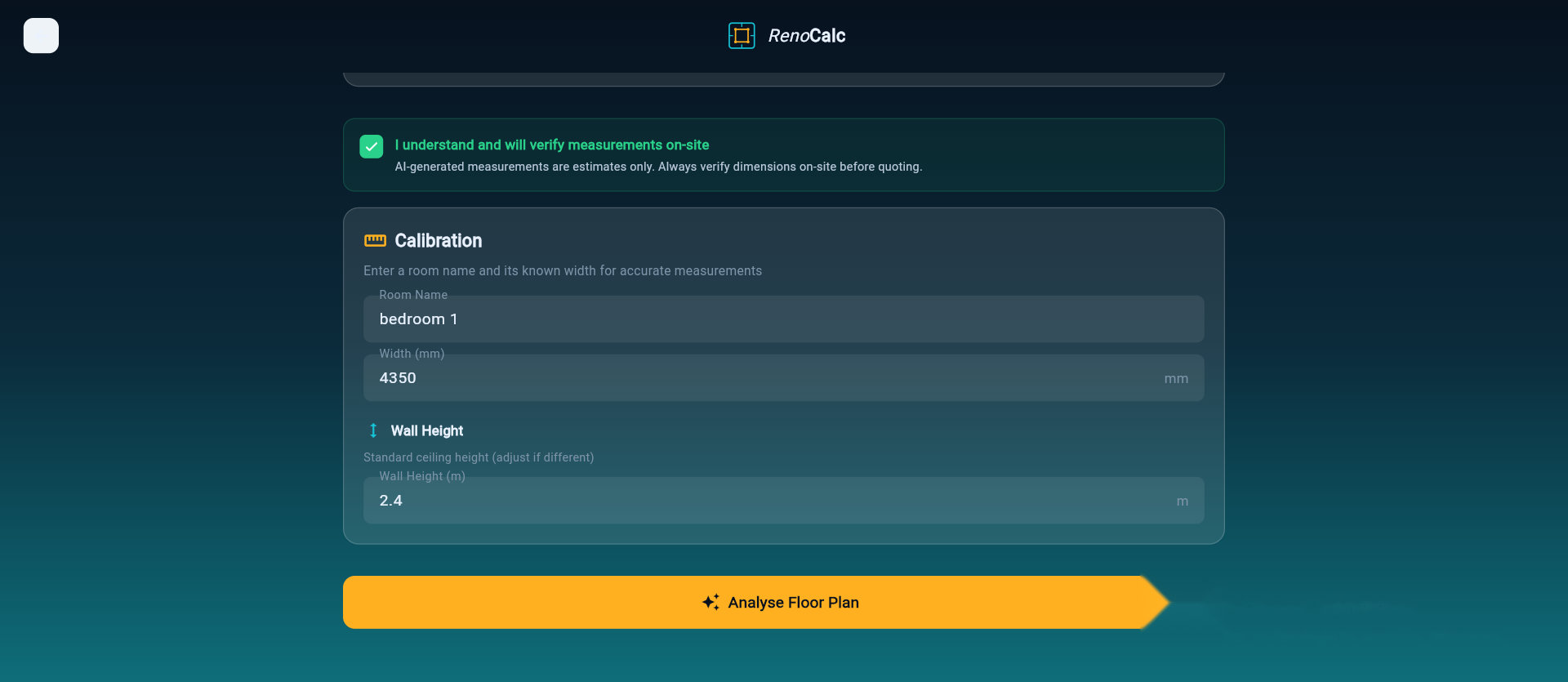
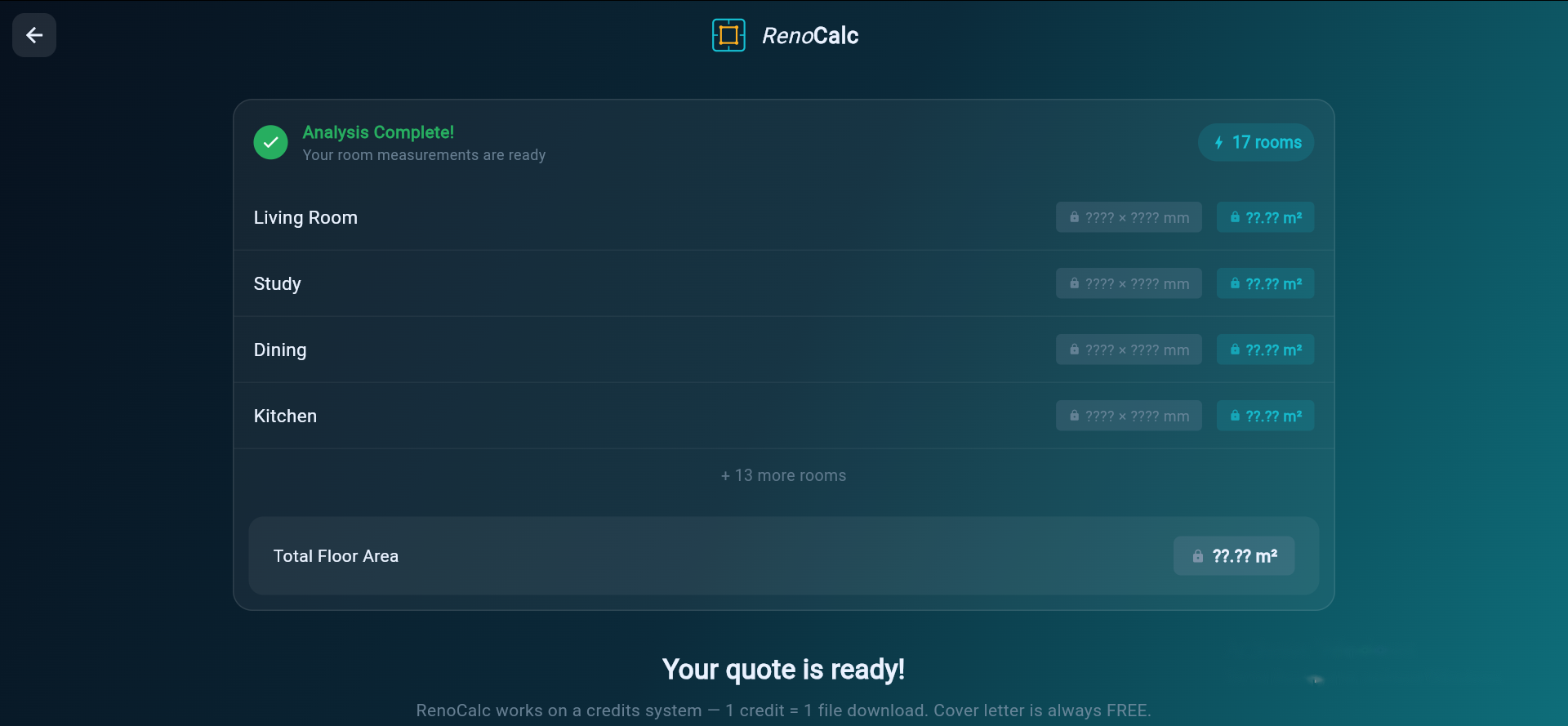
RenoCalc takes your floor plan and generates a full loft conversion quote — structural steel, dormer frame, roofing, windows, insulation, electrics, plumbing for the en suite, plastering, flooring and decoration — all broken down by trade. Here's how it works.
Frequently Asked Questions
How much does a rear dormer loft conversion cost in the UK?
A rear dormer loft conversion in the UK costs £35,000–£65,000 in 2026, depending on the size of the dormer, the finish specification, whether you are adding a bathroom, and your location. The lower end covers a bedroom-only conversion on a standard 3-bed semi. The upper end includes a full en suite, bespoke staircase, and higher-specification finishes. In London and the South East, add 25–40% to these figures.
What is an L-shaped dormer and why does it cost more?
An L-shaped dormer combines a rear dormer with a smaller side dormer that runs over the back addition (outrigger) roof on Victorian terraced houses. Because it creates two dormer structures joined at right angles, the roofing, structural and carpentry work is more complex, pushing costs to £45,000–£80,000. The trade-off is significant: an L-shaped dormer typically creates enough floor area for two bedrooms or a generous bedroom with en suite and separate dressing area.
Do I need planning permission for a dormer loft conversion?
Rear dormers on most houses in England fall within permitted development rights and do not require planning permission, provided the dormer stays within volume limits, doesn't raise the ridge, and doesn't include a balcony. Side dormers visible from the road typically require planning permission. Properties in conservation areas, national parks, or listed buildings always need consent. If in doubt, apply for a Lawful Development Certificate — it gives written confirmation and protects you at sale.
How much does adding a bathroom to a dormer loft conversion add to the cost?
Adding an en suite bathroom to a dormer loft conversion typically adds £5,000–£12,000 to the total, depending on size, specification, and how far the waste runs need to travel to reach the existing soil stack. A compact shower room (WC, basin, single shower) sits at the lower end; a full bathroom with bath, double shower, heated towel rail, and premium sanitary ware at the upper. Always include the en suite during the original conversion — returning later to install it costs significantly more once walls and floors are finished.
How much cheaper is a Velux conversion than a dormer?
A Velux (rooflight) conversion costs £20,000–£40,000, compared to £35,000–£65,000 for a rear dormer — a saving of roughly £15,000–£25,000. The caveat: a Velux conversion only works where the existing loft already has 2.2m or more at the ridge. Many UK semis, particularly 1930s–1960s properties, do not meet that threshold, making a dormer the only route to a usable habitable room.
What structural work does a dormer loft conversion require?
A dormer loft conversion requires structural steel beams (RSJs) to support the new loft floor, floor joists strengthened or replaced to carry floor loading, and a timber-framed dormer structure built out through the existing roof slope. A structural engineer must size and specify all steelwork — Building Control will not approve plans without structural calculations. Budget £3,500–£8,000 for structural steel supply and installation alone.
How long does a dormer loft conversion take to build?
A rear dormer loft conversion on a standard 3-bedroom semi typically takes 8–14 weeks from site start to practical completion. Scaffolding erection and structural steel installation: 1–2 weeks. Dormer structure and roof covering: 2–4 weeks. Internal first fix (electrics, plumbing rough-in, insulation): 1–2 weeks. Plastering and drying: 2 weeks. Second fix, flooring, decoration and staircase fit: 2–3 weeks. Add 4–8 weeks for design, structural engineer, Building Control submission and planning (if required) before site work starts.
Does a loft conversion add value to a property?
A well-executed dormer loft conversion typically adds 15–20% to a property's value, making it one of the highest-return improvement projects available. The jump from 3 to 4 bedrooms is particularly value-effective because it moves the property into a higher price bracket for family buyers. A £45,000–£55,000 conversion (bedroom plus en suite) on a £300,000 house may add £45,000–£60,000 in market value. In London and the South East the return is typically stronger due to the acute shortage of 4-bed stock.
Get Your Dormer Conversion Costed Before You Invite a Single Builder
The figures in this guide are based on real UK trade pricing in 2026. Use them to build your budget, identify your non-negotiables (bathroom or no bathroom; staircase position; window specification), and go into the quoting process with a clear scope.
If you want a faster starting point, upload your floor plan to RenoCalc. The AI reads the plan, identifies the loft configuration, and generates a full cost breakdown — dormer structure, steels, roofing, windows, insulation, electrics, plumbing and finish — in under 3 minutes.
Price Your Dormer Conversion in Under 3 Minutes
RenoCalc turns your loft floor plan into a complete, trade-by-trade quote. Built by a builder, used by UK builders and property investors across the country.
Start Your Free Estimate