How to Quote a Bathroom Renovation: Step-by-Step for Builders

Bathrooms are one of the most common renovation jobs — and one of the most under-quoted. I have seen good builders lose serious money on bathroom fits because they priced the sanitaryware and forgot to properly cost the plumbing, the tiling, the floor preparation and the electrical first fix. Knowing how to quote a bathroom renovation properly means surveying the room thoroughly, costing every trade in the right order, and presenting a quote that the client understands and you can actually deliver on.
This guide walks through the full process, from the initial survey to handing over the finished quote.
Survey First: Measure Everything Twice
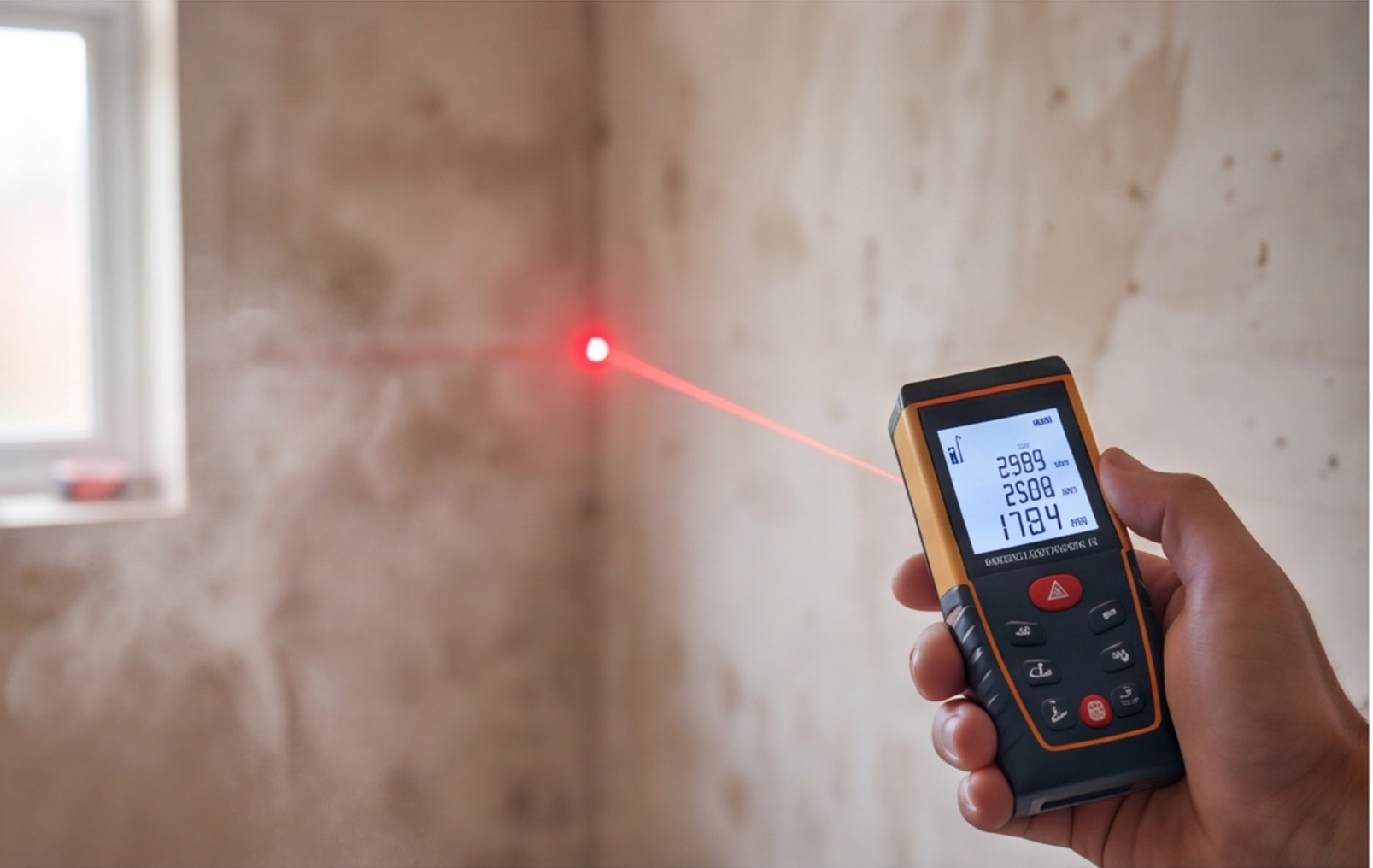
Never quote a bathroom from a photo or a quick chat on the phone. You need eyes on the room. A 15-minute site survey is the difference between a quote that makes money and one that bleeds you dry from day one.
What to Record on the Survey
On the survey, measure and note down:
- Overall room dimensions — length, width, ceiling height
- Position of existing soil pipe and waste runs
- Position of existing hot and cold supply pipes
- Location of existing consumer unit spur or FCU for towel rail / shaver socket
- Condition of existing floor structure (bounce, rot, level)
- Condition of existing walls (solid, stud, plasterboard, tiles on tiles)
- Window position and size
- Existing ventilation provision — fan, window, none
- Access to the void below (for drainage runs)
- Any known asbestos, damp or previous flood damage
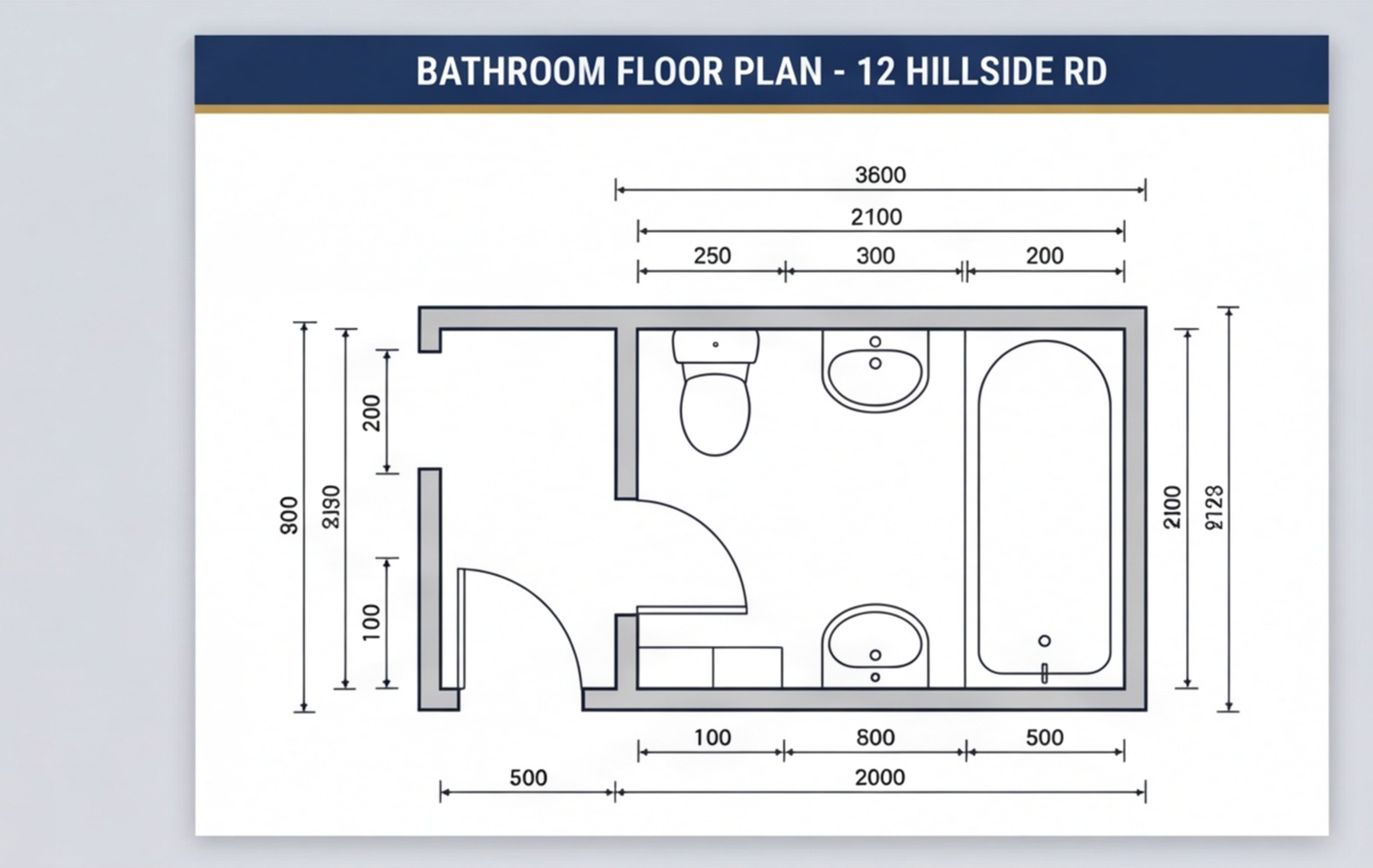
Sketch a rough floor plan on site — nothing fancy, just enough to show the layout, the drain positions and the wall lengths. This becomes the take-off sheet for your material quantities. If the client has already chosen sanitaryware, get the specification sheet. Different bath styles, shower trays and WC models have very different fixing and drainage requirements, and those differences affect your labour cost.
Costing the Strip-Out
Strip-out is where a lot of bathroom quotes fall short. It takes time — especially in older properties where tiles are bonded to sand-and-cement render, floor boards are nailed down in awkward corners, and the existing bath is cast iron.
Strip-Out Line Items to Cost
| Item | Typical time allowance | Notes |
|---|---|---|
| Remove bath and waste | 1–2 hours | Add 1 hour for cast iron — disposal weight |
| Remove WC, soil connection and cistern | 45 min | Back-to-wall units take longer to disassemble |
| Remove basin and pedestal | 30 min | — |
| Remove wall tiles (per m²) | 30–45 min per m² | Bonded cement render adds time significantly |
| Remove floor tiles | 1–2 hours typical room | Depends on adhesive bed type |
| Remove timber floorboards or chipboard | 1–2 hours | Allow for sub-floor inspection and repair |
| Skip hire / rubbish removal | — | Allow minimum half skip for average bathroom |
Always include waste removal as a named line item — never bury it in labour. It makes the quote transparent and gives you a real cost to recover.
Plumbing and Electrical First Fix
First fix is where the shape of the new bathroom is set. Get this costed correctly and the rest of the job flows. Cut it short and you will spend second fix chasing shoddy groundwork.
Plumbing First Fix Allowances
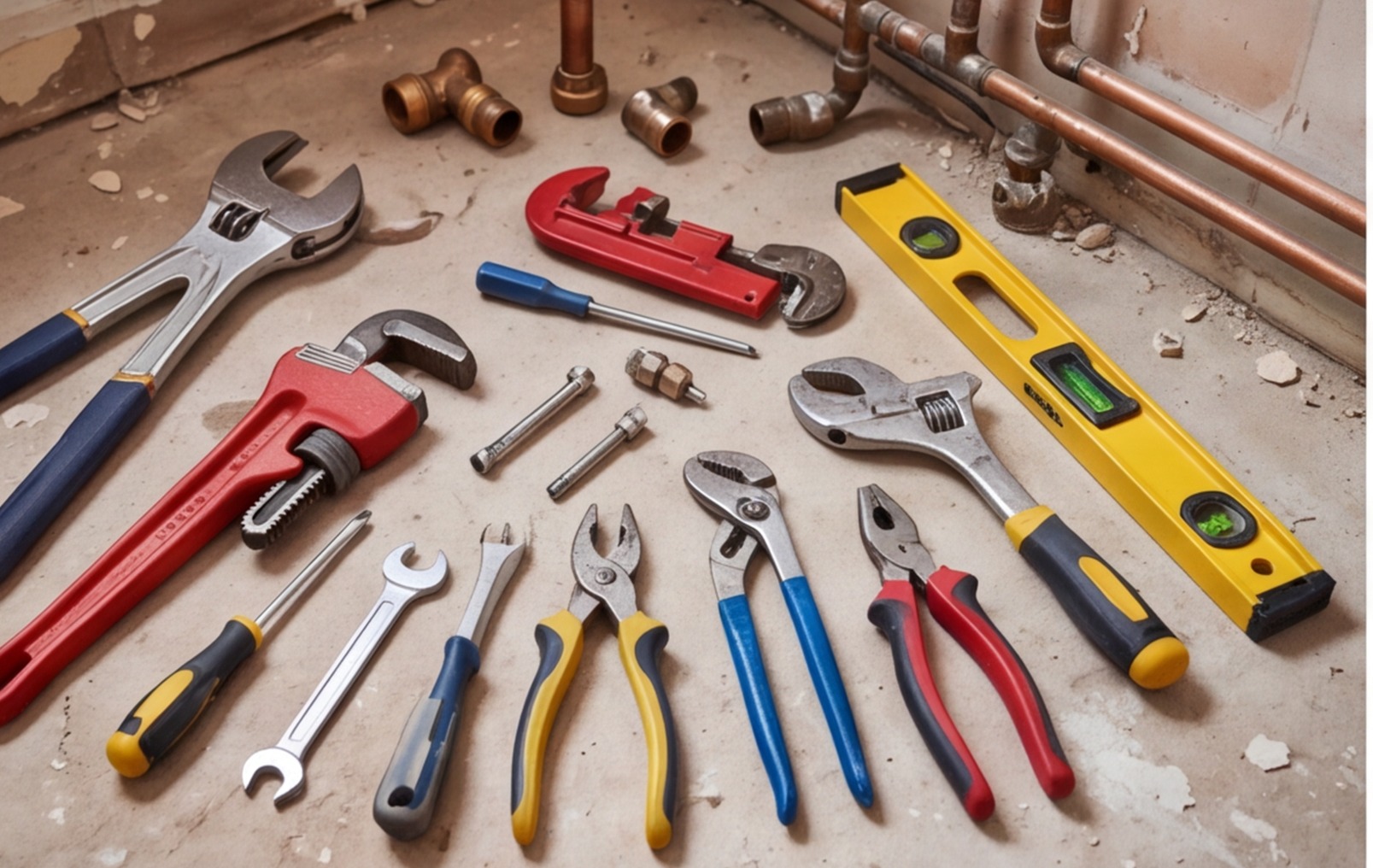
For a typical three-piece bathroom (bath, basin, WC) on a standard semi or terrace:
- Reposition soil pipe or add new waste connection: 2–4 hours depending on run length
- Hot and cold supply to bath: 2–3 hours copper or plastic
- Hot and cold supply to basin: 1.5–2 hours
- New waste runs to basin and bath: 1.5–2.5 hours
- Shower valve rough-in (if replacing bath with shower): 2–3 hours
- Towel rail plumbed feed: 1–2 hours if adding new feeds
Electrical First Fix Allowances
Bathroom electrics fall under Part P of the Building Regulations, so they must be carried out by a competent person or notified to building control. Cost the following:
- Extractor fan spur and wiring: 2–3 hours
- Shaver socket (Class II, outside Zone 2): 1.5–2 hours
- Towel rail FCU (fused connection unit): 1–2 hours
- Downlighters in bathroom zones — allow per light plus switching circuit
- Part P notification or self-certification cost (if subbied out)
If you are using a subcontract electrician, get their written quote before your quote goes to the client. Never estimate a sparky's price — they will charge what they charge.
Tiling, Boarding and Plastering
Wall prep is where bathroom quotes fall short most often. Clients expect a flat, tiled finish. What they do not always appreciate is that getting a flat, tiled finish on walls that have had tiles ripped off them involves either cement boarding, dot-and-dab plasterboard, or skim to flat — all of which cost time and materials.
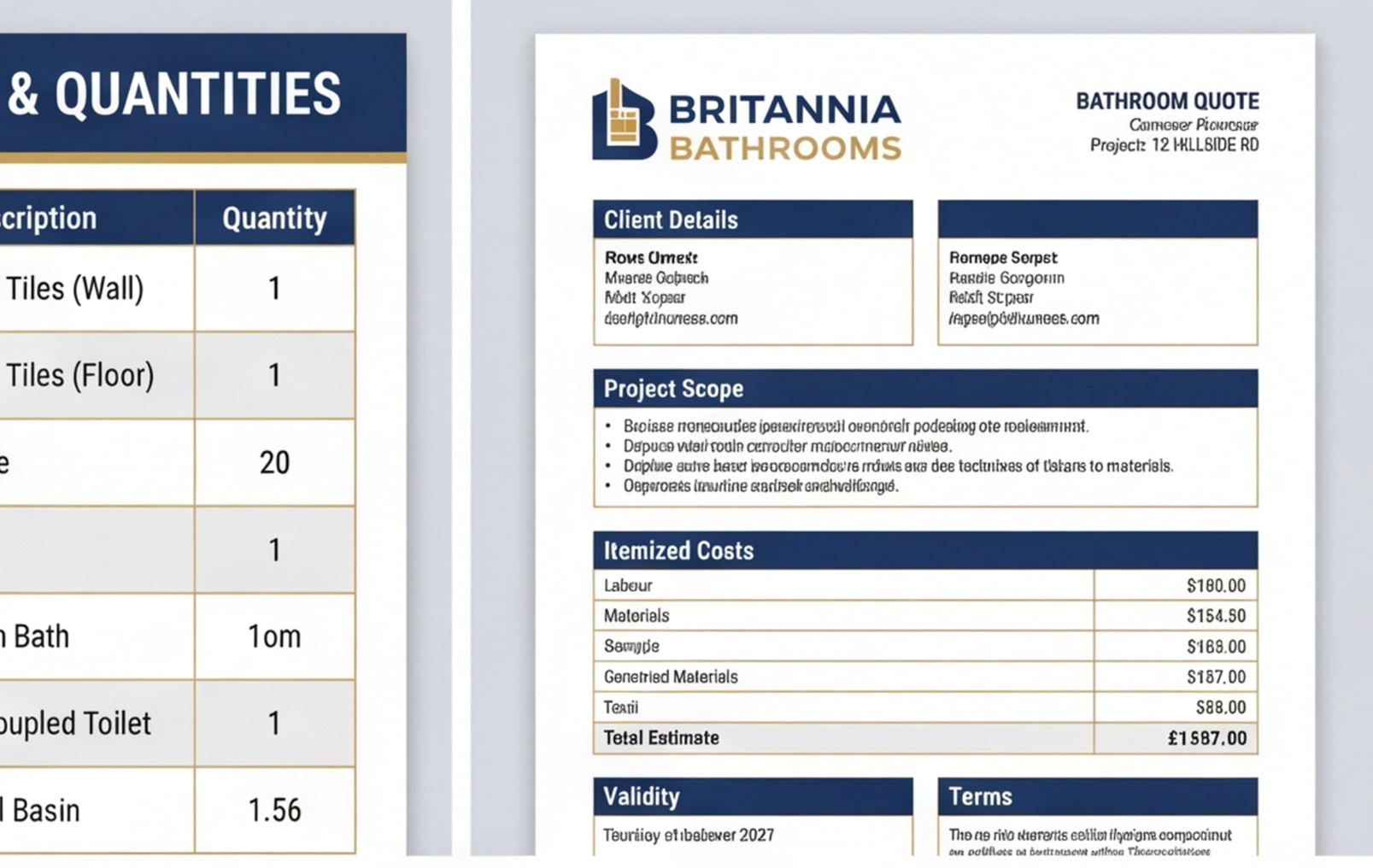
Wall and Floor Preparation
| Preparation type | When required | Approximate cost per m² |
|---|---|---|
| Cement board to shower area | Wet areas (shower enclosure, bath surround) | £15–£25 per m² supply and fix |
| Plasterboard skim to remaining walls | Where existing render is damaged after tile removal | £12–£20 per m² supply and fix |
| Floor levelling compound | Timber floors before tiling or vinyl | £8–£15 per m² supply and apply |
| Waterproof membrane (tanking) | Shower areas without cement board | £10–£18 per m² supply and apply |
Tiling Take-Off
Calculate your tiled areas from the floor plan sketch:
- Full-height wall tiling area (m²) — wall length × height, less openings
- Splash-back or half-height area (m²)
- Floor tile area (m²) — room area less any areas not tiled
- Add 10–15% wastage on patterned or diagonal tiles
- Add grout, adhesive, trim pieces and spacers to materials list
If the client is supplying tiles, specify clearly in your quote that your tiling price is based on a standard 600×300mm format tile. Large-format tiles (900mm or over) require more adhesive bed preparation and more cuts — which means more time. Charge accordingly and note it as a variation trigger if the client changes format.
Sanitaryware, Second Fix and Flooring
Second fix is where the bathroom comes together — and where specification matters. The same bathroom space fitted with a budget suite takes half the time of one fitted with a freestanding bath, a wall-hung WC with concealed cistern, and a frameless shower enclosure with a linear drain. Price the product the client has actually chosen, not a generic allowance.
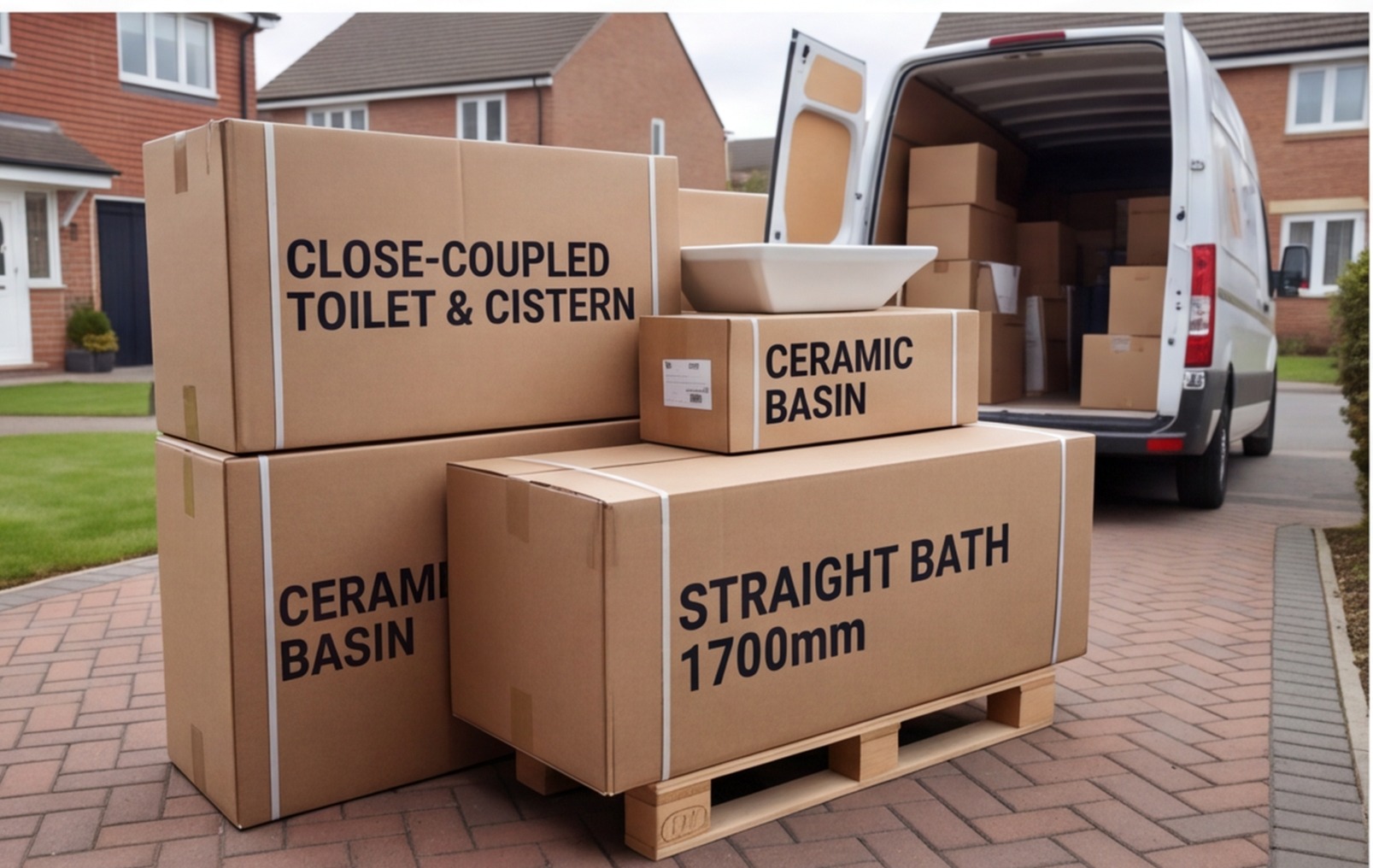
Second Fix Labour Allowances
| Item | Typical labour hours |
|---|---|
| Standard bath installation and connections | 3–4 hours |
| Freestanding bath installation | 4–6 hours (floor connections, aesthetics) |
| Standard close-coupled WC | 1.5–2 hours |
| Wall-hung WC with concealed cistern | 3–4 hours (frame, cistern, pan) |
| Pedestal basin | 1.5–2 hours |
| Countertop or semi-recessed basin | 2–3 hours (plus vanity unit build if applicable) |
| Standard shower enclosure | 2–3 hours |
| Frameless glass enclosure | 4–6 hours (profiles, silicone, alignment) |
| Vinyl floor laying | 1–2 hours average bathroom |
| Accessories (mirrors, towel rails, toilet roll holders) | Allow 1–1.5 hours |
Do not forget silicone sealing — bath, shower tray, basin and WC all need careful bead work. Allow at least one hour for sealing across a typical bathroom fit. Rushed silicone is one of the most common callbacks.
Waste, Contingency and the Final Number
Once you have all your line items priced, there are two additions before you arrive at the quote figure: waste/skip costs and contingency.
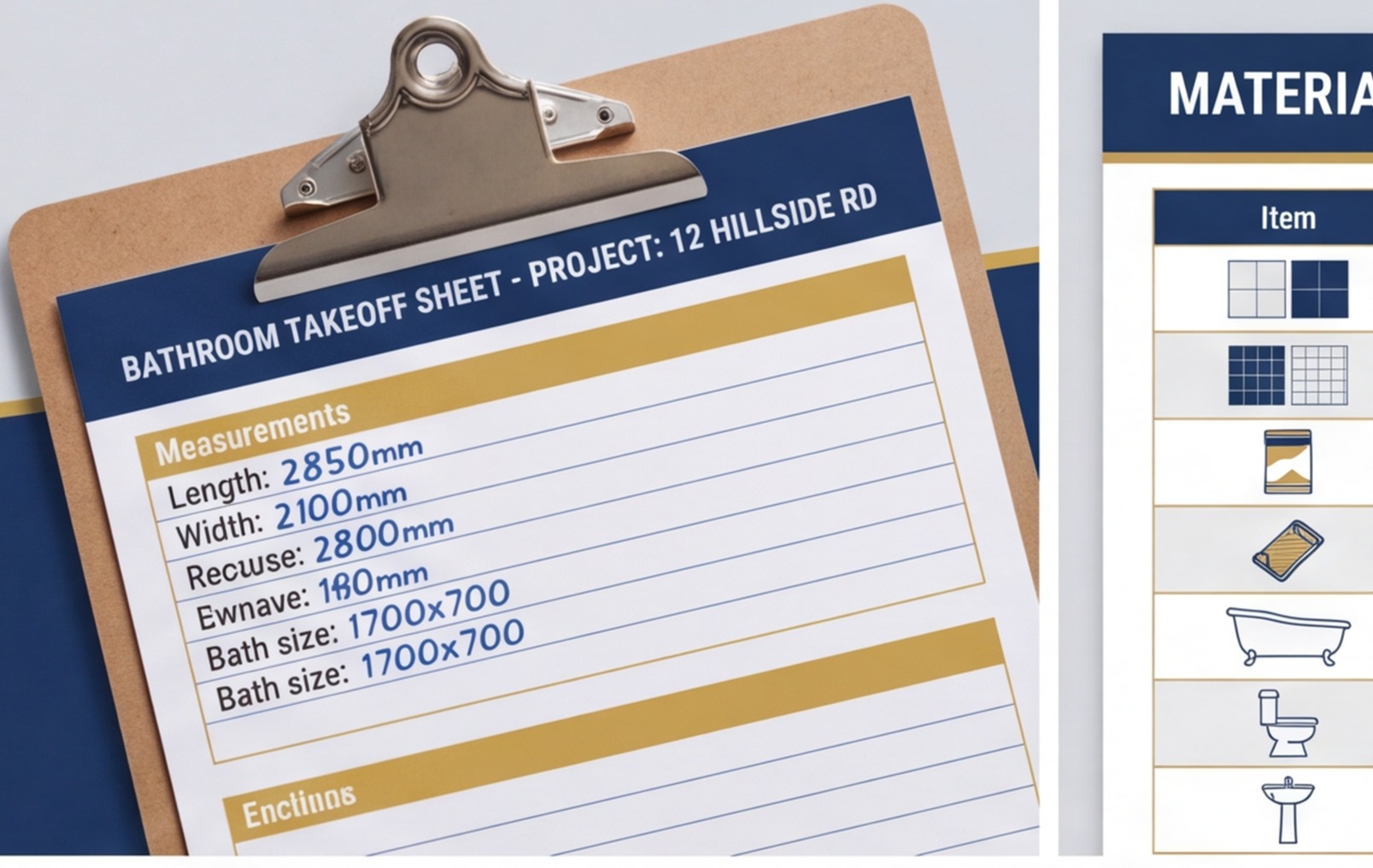
Waste and Skip Allowances
For a full bathroom renovation in a standard property, expect:
- Half skip (3 cubic yards): £120–£200 depending on location and access
- Full skip (6 cubic yards): £220–£400 for heavier debris loads
- Man and van removal (if no skip access): £150–£250 per load
- Asbestos disposal — quoted separately by licensed waste contractor
Contingency
Always include a contingency allowance. For a bathroom in an older property — pre-1980 build — I allow 10–15% on top of my priced items to cover sub-floor rot discovered once the floor is up, drainage runs that do not go where the plans suggest, or plasterwork that crumbles once the tiles are off. In a newer build, 5–7.5% is usually enough. State the contingency as a line item so the client knows it is there. A transparent contingency is a professional allowance — not padding.
For faster, more accurate bathroom quotes, try RenoCalc — upload the bathroom layout and get a full line-item breakdown in minutes.
Presenting the Quote Professionally
How you present a quote matters almost as much as what is in it. A quote on a torn scrap of paper with a single number at the bottom tells the client nothing — and gives them every reason to shop you on price alone. A structured, readable document tells the client you know what you are doing.
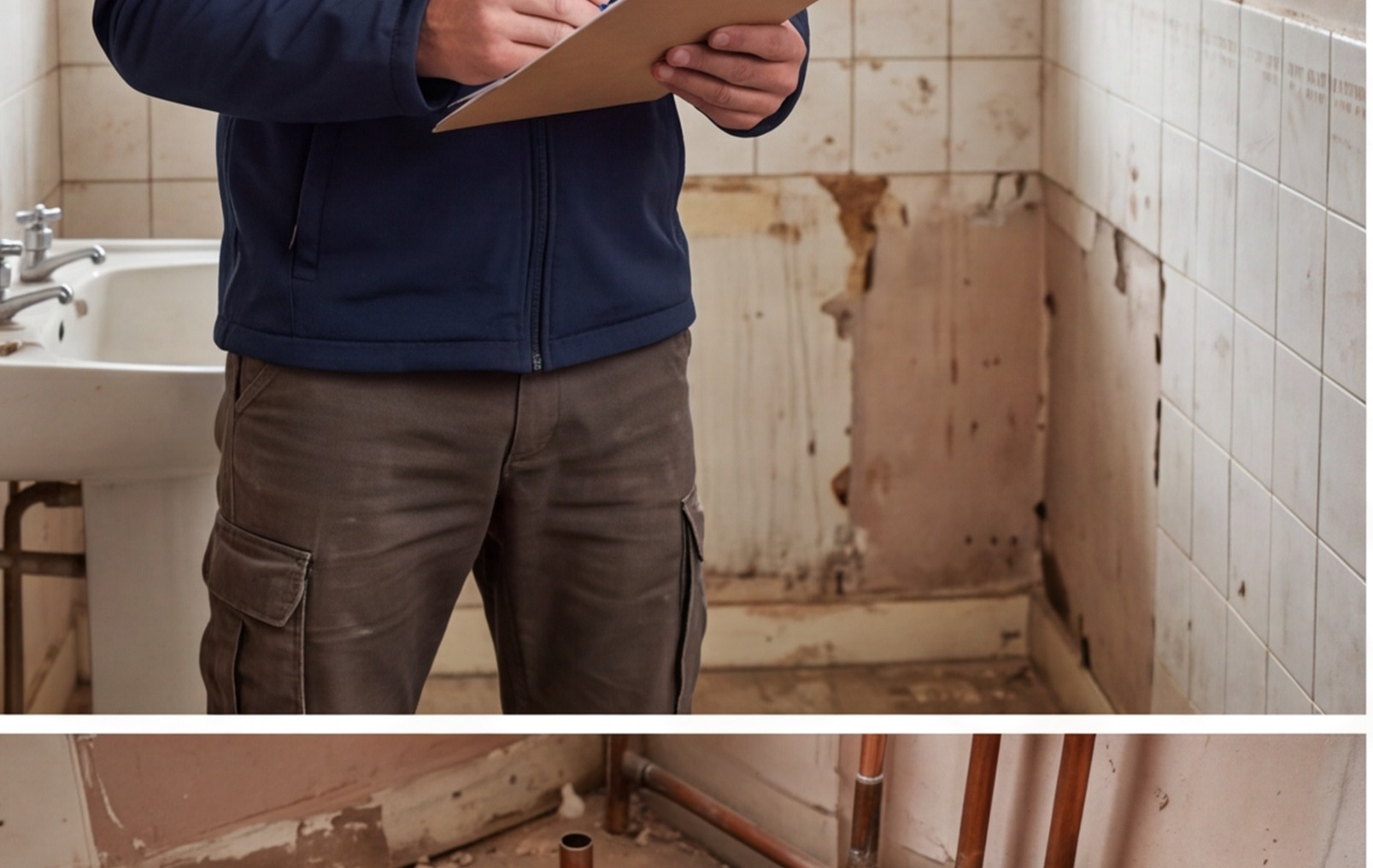
What a Bathroom Quote Should Include
- Client name, property address and date
- Brief description of the scope of works
- Itemised breakdown by trade: strip-out, plumbing first fix, electrical first fix, boarding/prep, tiling, sanitaryware second fix, flooring, accessories
- Materials costs where you are supplying (or note "client-supplied" where relevant)
- Waste and skip allowance
- Contingency (labelled clearly)
- Exclusions list — what is NOT included
- Assumptions — tile format, lead times, access hours
- Payment stage schedule
- Quote validity period — typically 30 days
- Your company details, insurance and any relevant certification
Keep the language plain. Write it for the client, not for yourself. If they can read it and understand exactly what they are getting and what they are not getting, you have done it right.
Ready to speed up your quoting process? RenoCalc generates detailed bathroom renovation breakdowns so you spend less time in spreadsheets and more time on site. You can also use our floor plan cost estimator to cross-check room areas and cost per square metre.
Want to see how your bathroom quote process compares to the best tools out there? Read our guide to the best construction estimating software UK. For health and safety requirements on bathroom works, refer to the HSE construction safety guidance.
If this bathroom is part of a larger project, see our full house refurbishment cost UK guide and our stud partition wall quoting guide for the partition work that often precedes a bathroom fit-out. For understanding the floor plan dimensions you need to take off, read how to read estate agent floor plans.

Quote Bathrooms Faster With RenoCalc
Stop guessing at bathroom renovation costs. RenoCalc generates a full line-item bathroom quote in under three minutes — so your price is right and your quote is out the door before the competition even picks up the phone.
Start a Free Quote with RenoCalc