How to Estimate Renovation Costs Before Buying a Property
This article is general guidance only and is not financial or investment advice. Always consult qualified professionals before making property investment decisions.
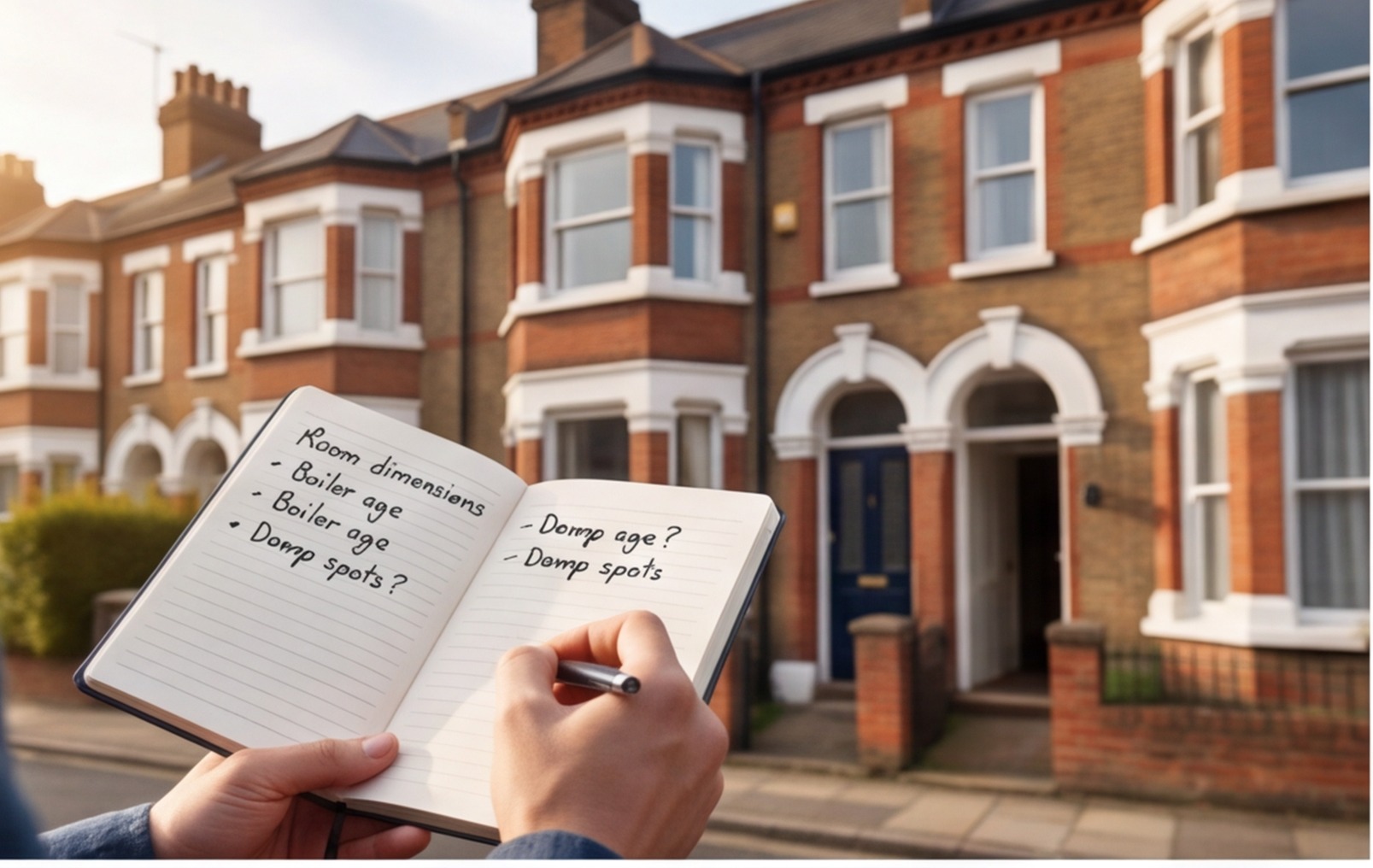
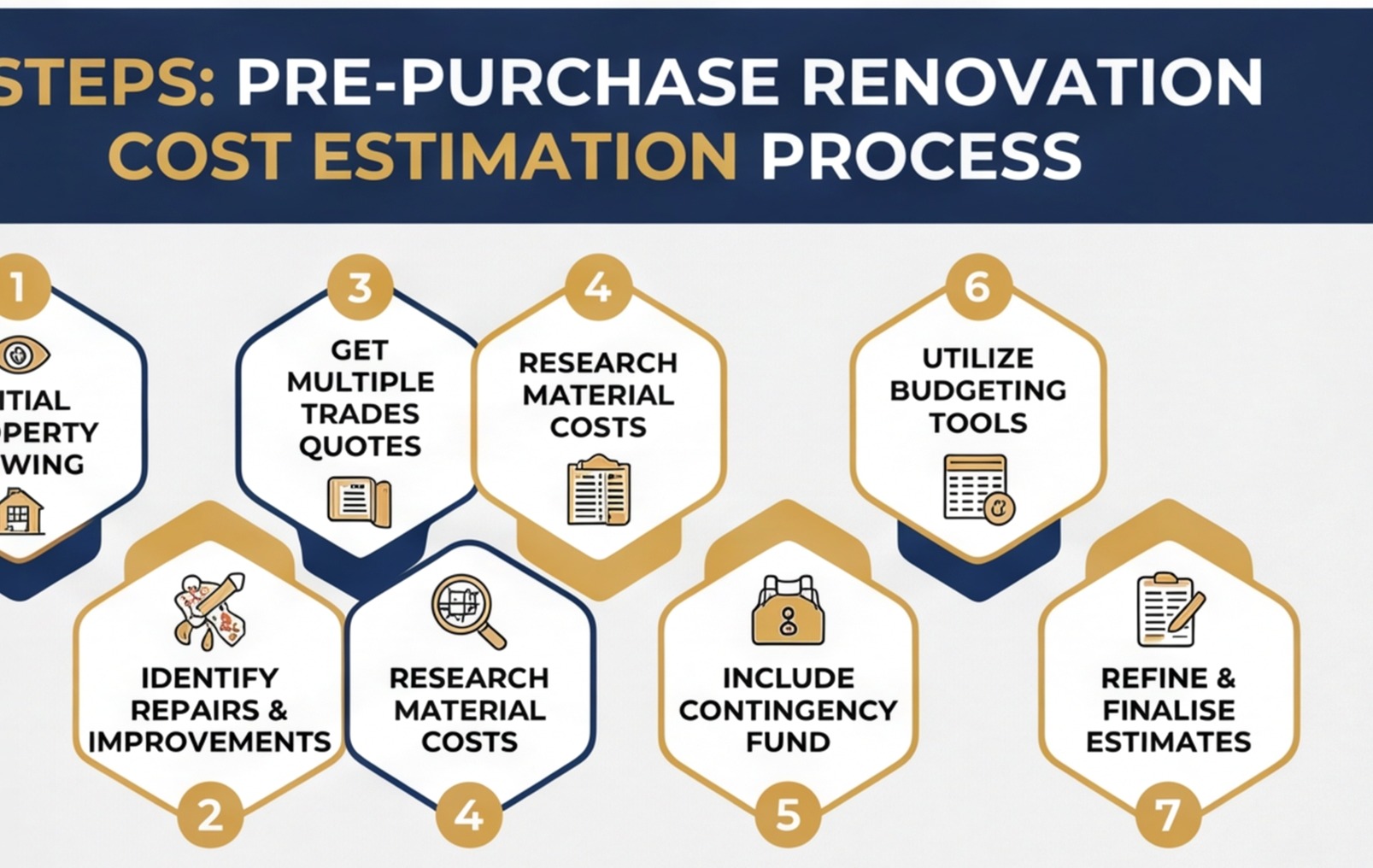
Knowing how to estimate renovation costs before buying a property is one of the most valuable skills in property investment. Get it right and you can negotiate a realistic offer price, plan your finance and run a profitable project. Get it wrong and you're either overpaying for a property or building a budget that falls apart on site. I've seen both happen more times than I can count. This guide walks through the seven-step process I use to assess a renovation property before I'd recommend a client makes an offer — covering everything from floor plan analysis to contingency planning and deal evaluation.
Why Pre-Purchase Estimation Matters
When you're buying a property to renovate — whether to flip, rent out or hold under a BRRRR strategy — the renovation cost is as important as the purchase price. In fact, you can't properly evaluate the deal without it.
Consider a terraced house listed at £140,000 in the Midlands. Without a renovation estimate, you might see a bargain. With a solid renovation budget of £55,000 for a full refurb, you can work out whether the numbers actually work when you account for purchase costs, build costs, finance costs and your target exit value.

The problem is that most buyers — especially those new to property investment — don't build the renovation estimate until after they've already fallen in love with the property. By then, confirmation bias kicks in and the numbers get optimistic.
The discipline is to build the estimate before you make the offer, treat it as a filter rather than a formality, and be willing to walk away if the numbers don't work.
Step 1: Start with the Floor Plan
The floor plan is your first tool. Most estate agent listings on Rightmove and Zoopla include one. If the listing doesn't have a floor plan, ask the agent for it — if there isn't one, that's a yellow flag worth noting.
From the floor plan I'm looking at:
- Total floor area — add up all rooms across all floors, including hallways and WCs
- Number of wet rooms — bathrooms, shower rooms, en suites, kitchens
- Layout logic — are the kitchen and bathrooms near each other (cheaper) or spread across the building?
- Structural layout — could a wall come out to open the ground floor? Is there scope for an extra bedroom?
- Extensions and outbuildings — garages, rear extensions, outhouses
If the floor plan has printed dimensions, use them. If it doesn't, estimate room sizes from typical UK standard dimensions and note that your area calculations are approximate.
I use RenoCalc at this stage — upload the floor plan image and it extracts the room dimensions and generates a cost breakdown automatically. It's far faster than manual calculation and gives me a consistent method across multiple properties. The floor plan cost estimator is built for exactly this workflow.
Step 2: Assess Condition from Listing Photos
Listing photos are designed to show a property at its best — or at least mask the worst. But if you know what to look for, they still tell you a lot.
When reviewing photos before a viewing or before making a low offer on an unmortgageable property, I'm checking:
- Ceiling condition — cracks, staining or sagging indicate movement or water ingress
- Wall condition — blown plaster, rising damp marks or fresh paint over damp patches
- Kitchen and bathroom age — a kitchen fitted in the 1990s is a replacement job; 2015 might be usable
- Window frames — single glazing, rotting timber or failed double glazing seals
- External photos — roof condition, gutters, pointing, render cracks, chimney stacks
- Floors — visible bounce in floorboards, uneven surfaces suggesting movement
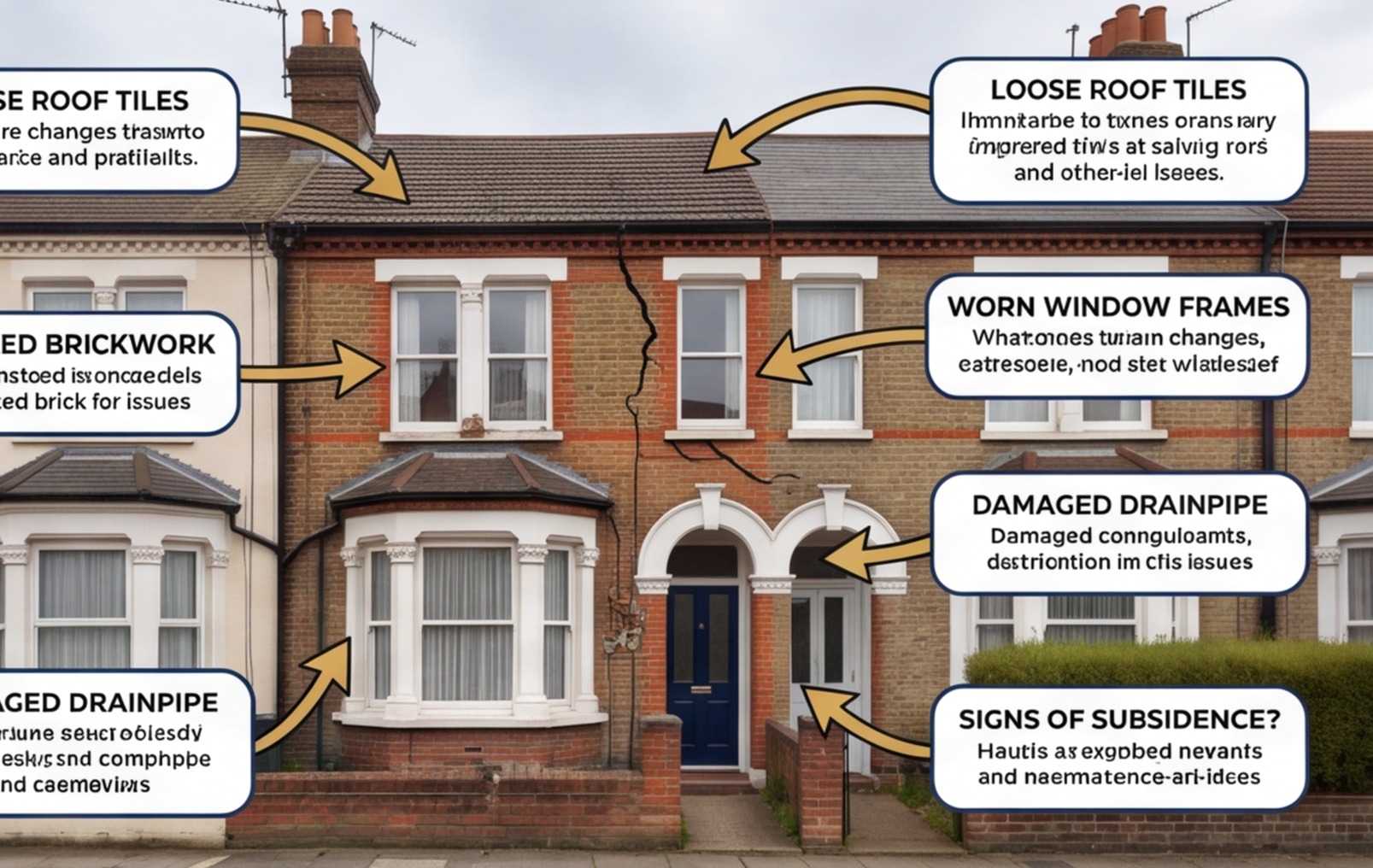
The goal at this stage isn't a precise assessment — it's a risk level. Is this likely a light, medium or heavy refurb? You'll refine it with the site survey, but the photos should give you enough to decide whether it's worth your time visiting at all.
Step 3: Classify the Refurb Level
Before you build any numbers, settle on a refurb classification. I use three levels:
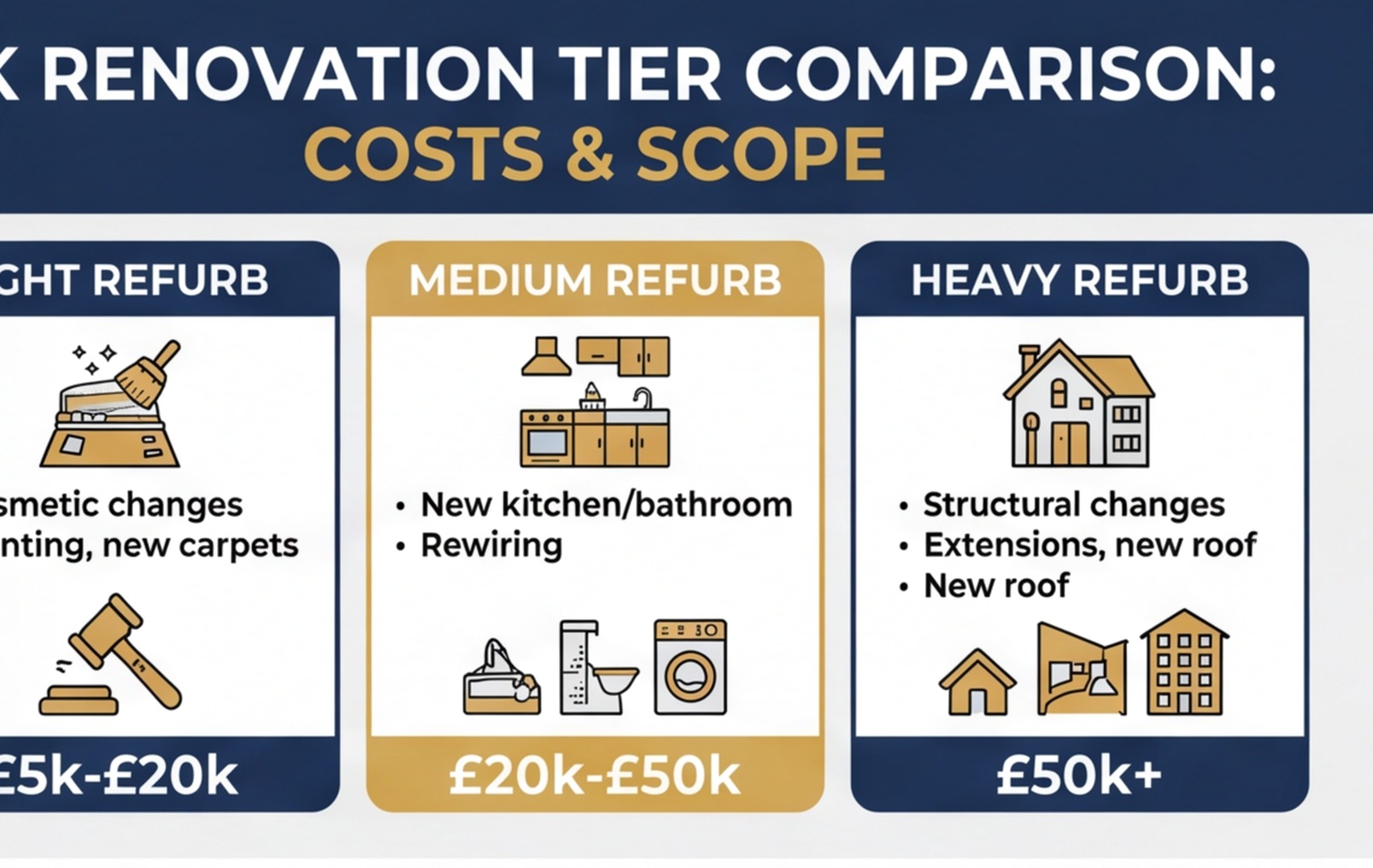
| Level | Typical scope | Typical cost — 3-bed terrace (UK 2025) |
|---|---|---|
| Light | Decoration throughout, carpet and flooring, minor repairs, cleaning | £8,000–£18,000 |
| Medium | Light refurb plus new kitchen, new bathroom(s), possible boiler replacement, some rewire work | £20,000–£45,000 |
| Heavy | Full structural works, full rewire, full re-plumb, roof work, damp treatment, new kitchen, all bathrooms, full fit-out | £50,000–£120,000+ |
These are reference ranges only — actual costs depend heavily on property size, specification level, your location in the UK and the condition of what's hidden behind the walls. A 3-bed terrace in Coventry is a different proposition to a 3-bed end-of-terrace in London.
Once you've classified the refurb, you have a working range to plug into your deal appraisal while you build the detailed estimate.
Step 4: The Site Survey — What to Check
A desktop assessment from floor plans and photos is a starting point. The site survey is where the real estimate gets built. When I walk a property for a pre-purchase assessment, I'm working through a checklist.
Structure
Walk every room and look at the junctions — where walls meet ceilings, where floors meet walls. Cracks that run diagonally across corners or that open wider at one end suggest movement. Not all movement is serious, but all movement needs investigation. Check the chimney breast from outside if the house has one. Check the loft if you can get access.
Damp
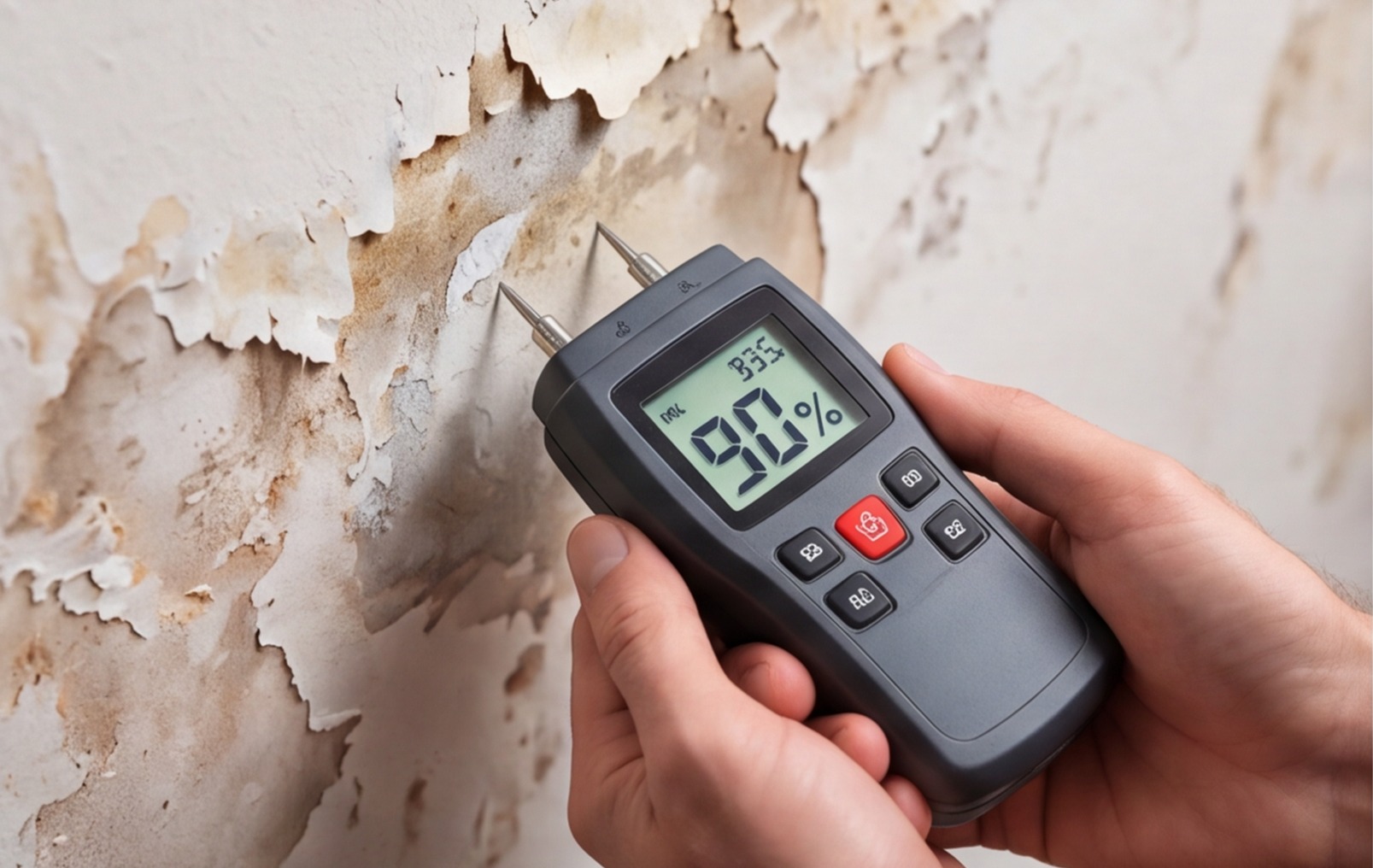
Rising damp and penetrating damp both cost money to fix. Look for staining at the base of walls, tide marks, flaking plaster, salt deposits and that distinctive musty smell. A moisture meter is useful — if you're buying regularly, it's worth having one.
Electrics
Open the consumer unit if you can. A fuse box with rewirable fuses is a full rewire job. A consumer unit with MCBs but no RCDs is likely 15–20 years old and may need upgrading. Modern dual-RCD consumer units are the current standard. If the listing mentions "some original features" and the photos show a Victorian property, budget for a full rewire unless there's evidence otherwise.
Plumbing and heating
Check the boiler age and type. A back boiler (those hidden behind a fireplace) is always a replacement job — they haven't been installed for decades and parts are scarce. Check when the boiler was last serviced. Look at the radiators — do they heat evenly? Check under-sink plumbing for signs of previous leaks or botch repairs.
Roof
Get a view of the roof from the street. Missing or slipped slates, visible sagging, damaged lead flashing on chimney stacks and blocked or broken gutters all affect your budget. A full re-roof on a 3-bed terrace can run from £5,000 to £12,000+.
Windows and doors
Single glazing is a replacement job if you're bringing the property up to lettable or sale standard. Failed double glazing (misted panes) is cheaper to address but still a cost. FENSA certificates for replacement windows are worth asking about if they're already fitted.
Step 5: Building Your Renovation Budget
With your site survey complete, you can build a trade-by-trade estimate. Here's a realistic framework for a UK renovation budget:
| Trade / element | Typical UK cost range (2025) | Notes |
|---|---|---|
| Kitchen (supply and fit) | £5,000–£25,000+ | Depends heavily on spec and size |
| Bathroom (supply and fit) | £3,500–£10,000 | Per bathroom; en suites slightly less |
| Full rewire | £4,000–£10,000 | 3-bed property; more for larger houses |
| New boiler and controls | £2,500–£5,000 | Full heating system: add £3,000–£6,000 |
| Plastering (full re-plaster) | £2,500–£6,000 | 3-bed; varies by condition of existing |
| Flooring throughout | £2,000–£8,000 | Carpet, LVT or engineered wood |
| Decoration (full) | £2,000–£5,000 | Labour only; materials add £500–£1,500 |
| Roof repairs | £500–£12,000+ | Depends on extent; full re-roof at top end |
| Windows (full replacement) | £4,000–£9,000 | UPVC; timber or aluminium costs more |
| Damp treatment | £1,000–£5,000+ | Rising damp can be significantly more |
| Structural works | £3,000–£20,000+ | Wall removal, steels, lintels |
| External works | £1,000–£6,000 | Render, pointing, drainage |
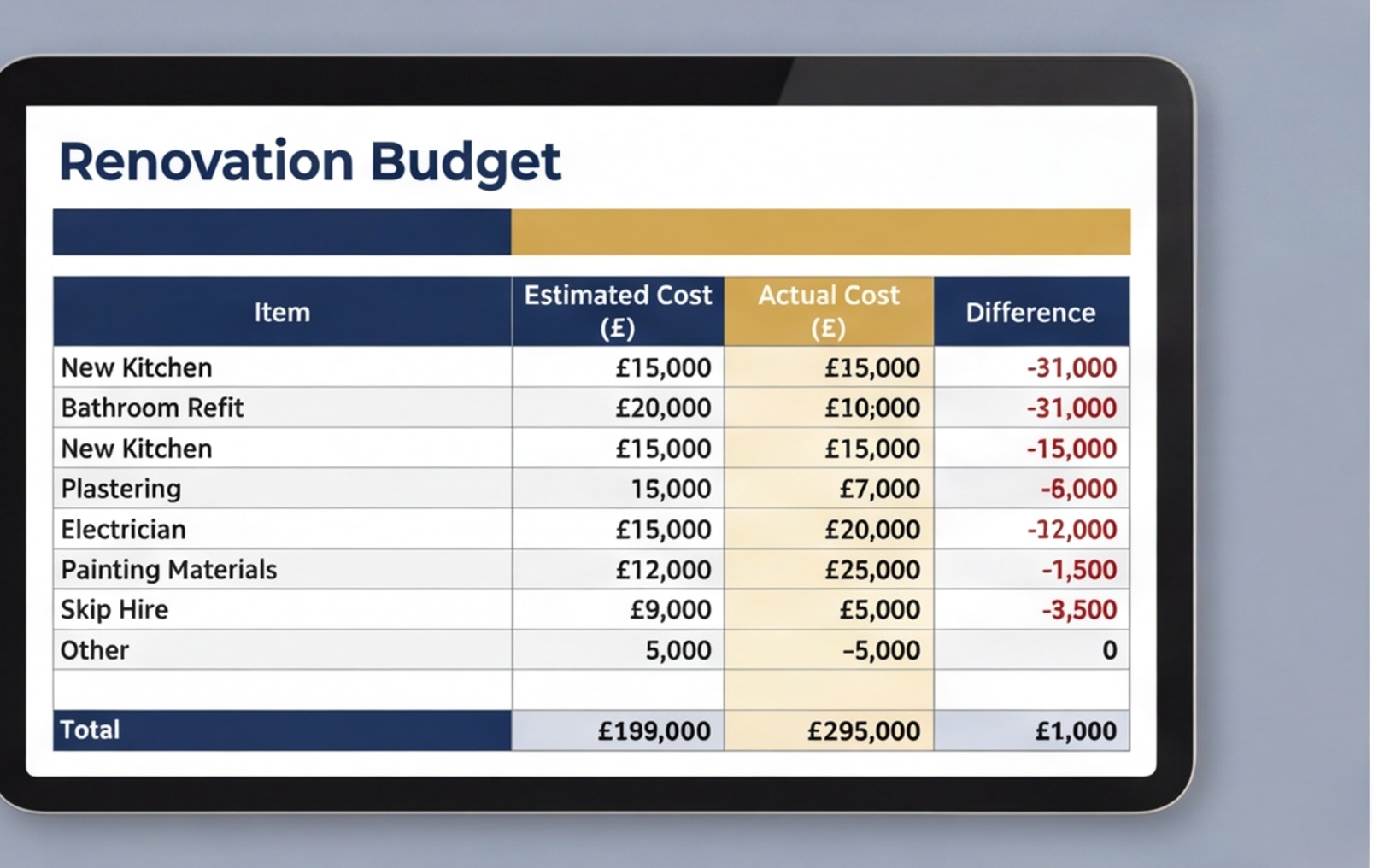
Add up the applicable trades for your property. Don't include trades that genuinely aren't needed — but don't miss anything because it feels too expensive to include.
If you want to speed this process up across multiple properties, RenoCalc handles the trade-by-trade calculation from the floor plan automatically, applying current UK rate cards to generate a structured budget. It won't replace a proper site survey, but it gives you a solid framework to work from before you visit.
Step 6: Contingency and Deal Evaluation
Every renovation budget needs a contingency. Not a vague "something might go wrong" buffer — a structured allowance based on your confidence level in the estimate.
Pre-purchase contingency guidance
| Estimate stage | Recommended contingency |
|---|---|
| Floor plan and photos only (desktop) | 25–30% |
| Site visit completed, no specialist surveys | 15–20% |
| Full survey, detailed trade quotes | 10–15% |
I won't use a pre-purchase estimate with less than 15% contingency on a property I haven't fully surveyed. The hidden stuff is always there — it's just a question of how much of it there is.
Deal evaluation
Once you have your estimated build cost (including contingency), you can run the numbers on the deal. This is where you establish whether the property is worth pursuing.
A simple deal appraisal looks like this:
| Item | Amount |
|---|---|
| Purchase price | £X |
| Stamp duty and purchase costs | £X |
| Renovation budget (with contingency) | £X |
| Finance costs (if borrowing) | £X |
| Sale costs or letting costs | £X |
| Total investment | £X |
| Target exit value (GDV or rental yield) | £X |
| Profit / equity | £X |
If the deal doesn't work at the asking price, this model tells you exactly what you can pay. That becomes your maximum offer — and gives you a rational basis for negotiation rather than guesswork.
This is general guidance only. Property investment decisions should always involve qualified professionals including a solicitor, financial adviser and surveyor.
Step 7: Getting a Builder's Quote Before Exchange
An investor's estimate is a starting point. A builder's quote is what you build a contract on. Before you exchange contracts on a renovation property, it's worth getting at least one detailed builder's quote — ideally two or three.
The quotes should be line-itemised by trade, not just a single total figure. A single-line quote of "full refurb: £35,000" tells you nothing about where the money is going and nothing about what happens when something extra gets found.
What a builder needs to quote accurately
- Full access to the property for a survey
- A clear scope of works — ideally a written schedule
- Any reports already completed (structural engineer, asbestos survey)
- Confirmation of specification level (mid-range or high-spec finishes?)
- Your target completion timeline

Builders who are serious about the work will want to do their own survey. Be wary of anyone who quotes from photos alone without visiting — that quote is as good as your desktop estimate and is likely to grow substantially on site.
If you want a fast pre-quote estimate to take to builder conversations, RenoCalc generates a structured breakdown from the floor plan that gives builders a clear starting scope to price against. It doesn't replace their survey, but it focuses the conversation and stops the first visit being a blank-sheet exercise.
For more on using floor plans in the property evaluation process, read our guide to how to read estate agent floor plans for renovation quoting.
Frequently Asked Questions
How accurate can a pre-purchase renovation estimate be?
A pre-purchase estimate based on a floor plan and photos is typically accurate to within 20–30% of the final build cost. Once you've completed a full site survey and scoped every trade, accuracy improves to within 10–15%. The unknowns — hidden damp, asbestos, rotten timbers, outdated electrics — are what push costs over budget. A well-built estimate includes contingency specifically to handle these. Think of the pre-purchase figure as a deal-screening tool rather than a contract price.
What is a realistic contingency for a renovation project?
For a pre-purchase estimate on a property you haven't surveyed, 20% contingency is sensible. Once you've done a full survey on a property in average condition, 10–15% is more typical. For older or unmaintained properties, especially those built before 1970, I'd keep contingency at 15–20% even after a survey, because hidden defects are common. Never drop below 10% — something always comes up on a renovation.
Should I get a builder's estimate or a surveyor's report before buying?
Ideally both. A RICS HomeBuyer Report or Building Survey identifies structural and maintenance issues — things the untrained eye misses. A builder's estimate then translates those issues into costs. A surveyor will tell you the roof needs attention. A builder will tell you it's a £6,000 job or a £20,000 job. Together they give you an informed view of the total investment. For investment properties, many buyers get both before exchanging contracts.
How do I estimate renovation costs without visiting the property?
Use the estate agent floor plan to extract room areas and identify wet rooms, then combine with the listing photos to judge the condition and scope level. This gives you enough to build a rough estimate — typically within 30% of the actual build cost. Tools like RenoCalc can turn a floor plan image into a structured budget in minutes. Treat this as a deal-screening tool only: always do a site visit before committing to a purchase or a fixed quote.
What renovation costs should I factor in when buying a property to refurb?
The main cost categories for a UK renovation are: kitchen replacement (£5,000–£25,000+), bathroom(s) (£3,500–£12,000 each), full rewire (£4,000–£10,000 for a 3-bed), boiler and heating (£3,000–£8,000), plastering (£1,500–£5,000+), flooring (£2,000–£8,000), decoration (£2,000–£6,000) and structural works (varies widely). Add your contingency on top of the total. Don't forget professional fees, skip hire, building control and potentially planning fees if you're making structural changes.
Is this article financial advice?
No. This article provides general guidance on renovation cost estimation for informational purposes only. It is not financial, investment or legal advice. Property investment carries risk. Always consult qualified professionals — including a solicitor, financial adviser and surveyor — before making any investment decision.
Know Your Numbers Before You Make Your Offer
Pre-purchase renovation estimation isn't about having a perfect number before you exchange. It's about having a well-reasoned range that tells you whether the deal works and what you can pay for it. Build the estimate systematically, be honest about what you know and what you don't, carry a meaningful contingency, and get a proper builder's survey before you exchange on anything significant.
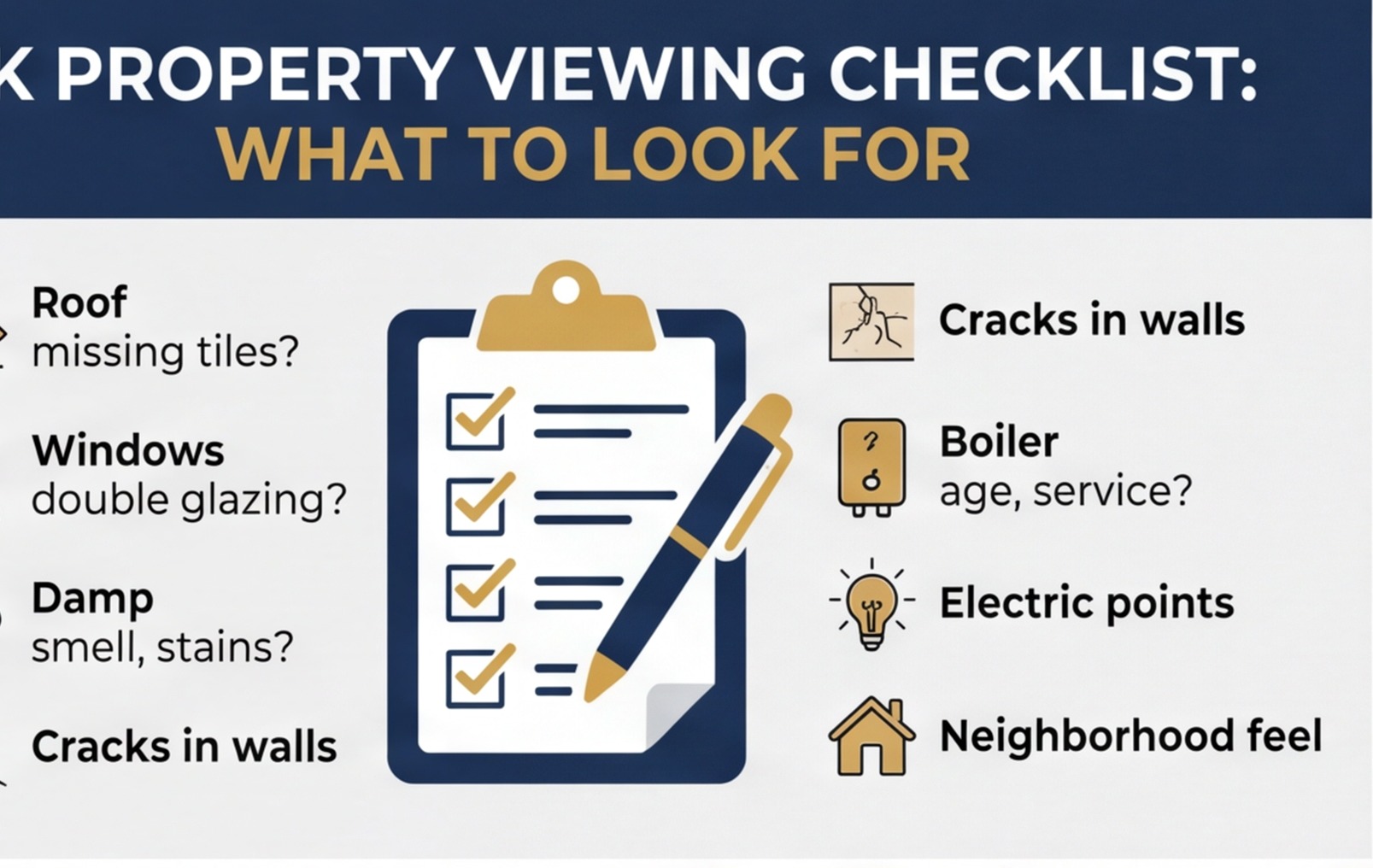
If you want to speed up the floor plan analysis stage, try RenoCalc — upload the listing floor plan and get a structured trade-by-trade budget in minutes, ready to refine on site.
Get a Renovation Budget From the Floor Plan
RenoCalc turns any estate agent floor plan into a detailed UK renovation budget in under 3 minutes. Perfect for deal appraisal before you make an offer.
Try RenoCalc Free
Pindi Sahota
Pindi has spent 30+ years in the building trade, running building projects across the UK. He is the founder of RenoCalc — the AI quoting app that turns floor plans into full job quotes in under 3 minutes. Based in Coventry, Director of Future Build Cov Ltd.