Method Statement Template UK: What HSE Actually Requires
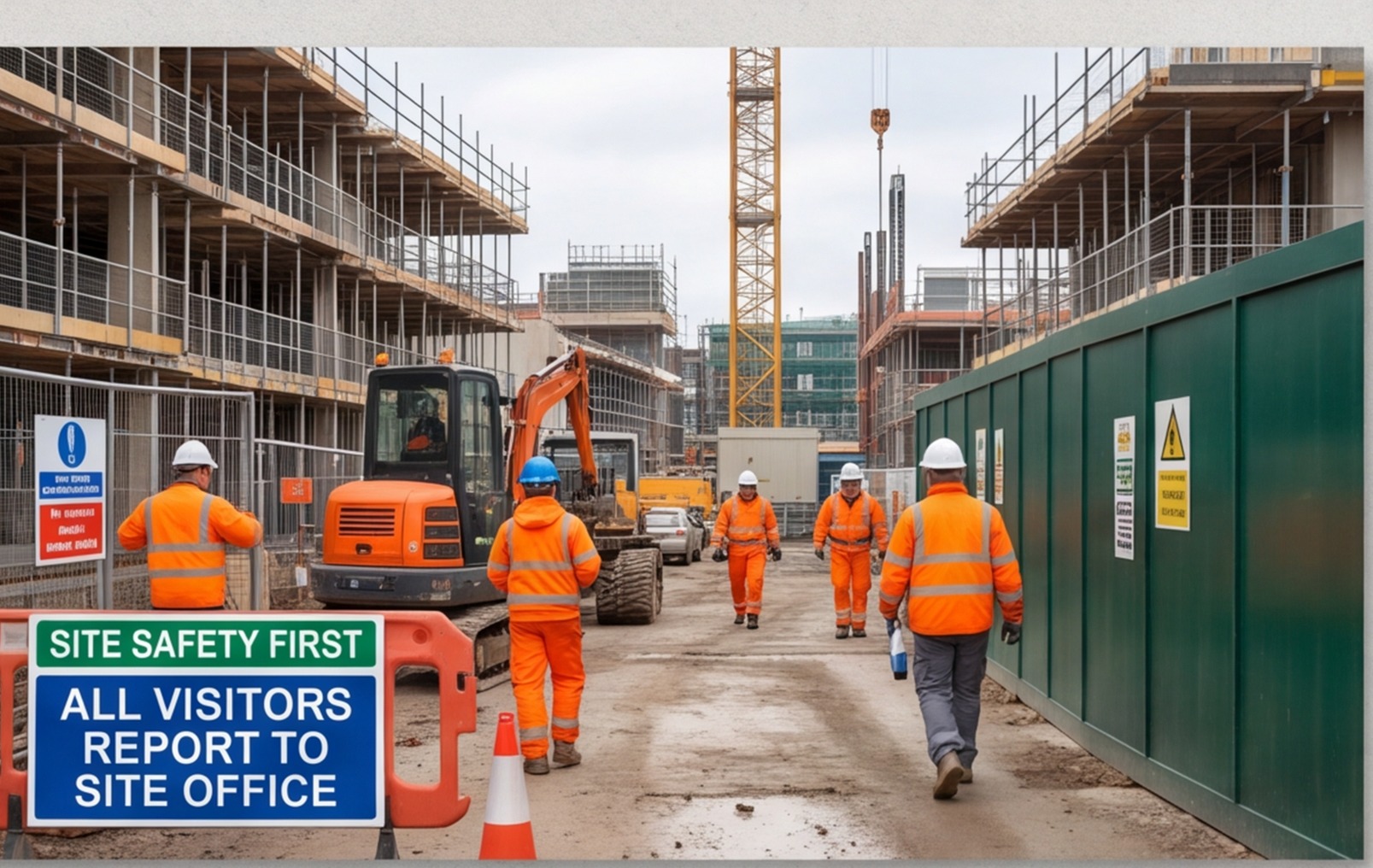
A method statement template UK search returns hundreds of generic downloads that look professional, cover everything and mean nothing. I've written method statements for projects ranging from simple domestic refurbs to larger commercial contracts, and I've had them reviewed by principal contractors and Building Control officers who know what they're looking at. The difference between a method statement that does its job and one that's just paperwork is specificity. In this article I'll explain what a method statement is, what HSE guidance actually says, what the seven standard sections are, and what builders most commonly get wrong. This is not legal advice — it's practical guidance from someone who's been on sites long enough to know what works.
What Is a Method Statement?
A method statement — also called a safe system of work or safe working procedure — is a document that sets out how a specific task or activity will be carried out safely. It describes:
- What work is being done
- Where it is being done
- The step-by-step sequence of operations
- What hazards exist at each step
- What control measures are in place to manage those hazards
- What equipment, plant and materials will be used
- Who is responsible for supervising the work
- What to do if something goes wrong
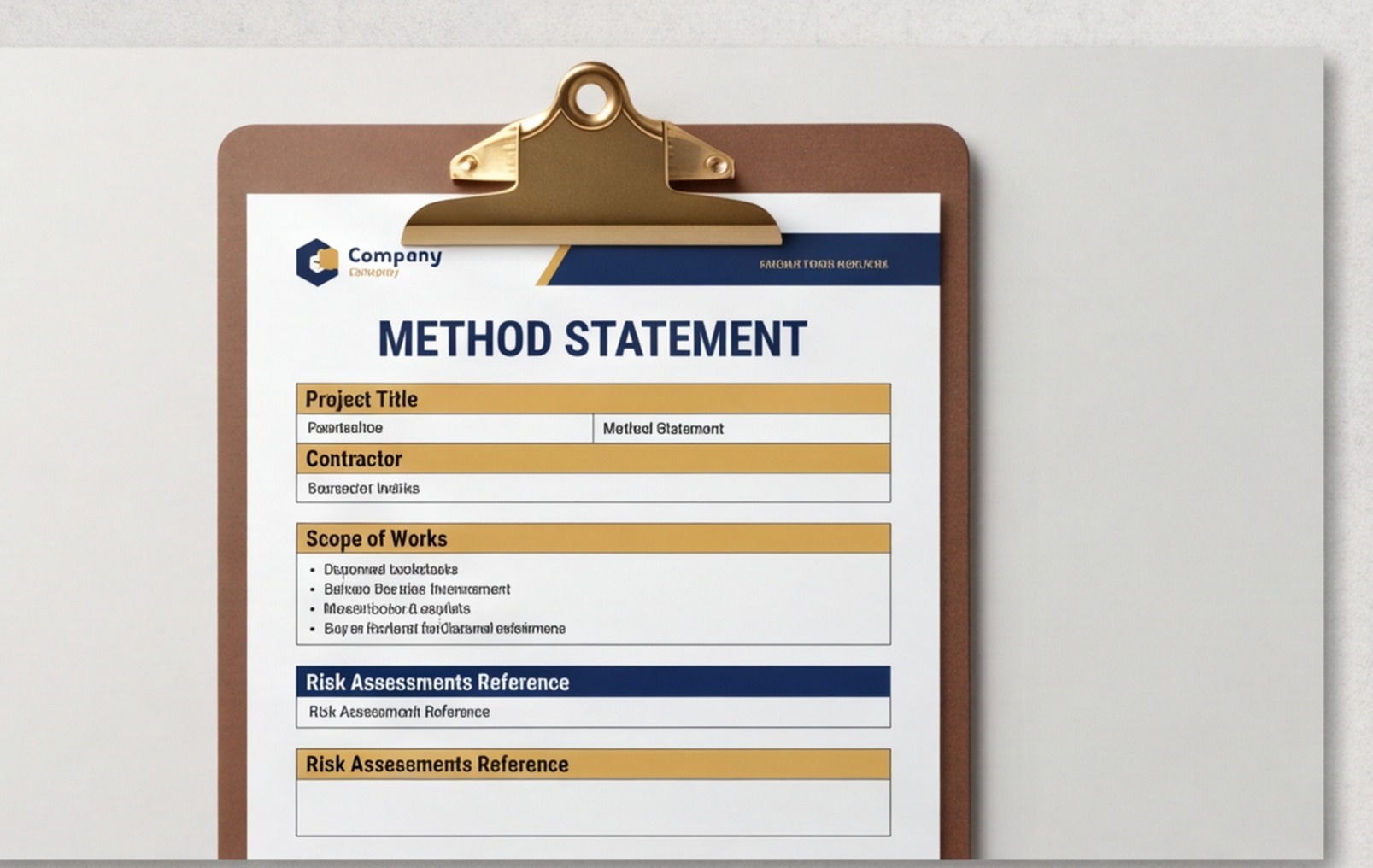
Method statements are required by principal contractors and clients before allowing certain types of work to start on a construction site. They're especially important for high-risk activities — work at height, demolition, hot works, confined space entry, structural alterations, and any activity where a failure in safe working could cause serious harm.
A method statement isn't just bureaucracy. Written properly and briefed properly to the people doing the work, it reduces the likelihood of incidents, clarifies responsibilities, and protects both the worker and the contractor if something goes wrong and an investigation follows.
What HSE Guidance Actually Requires
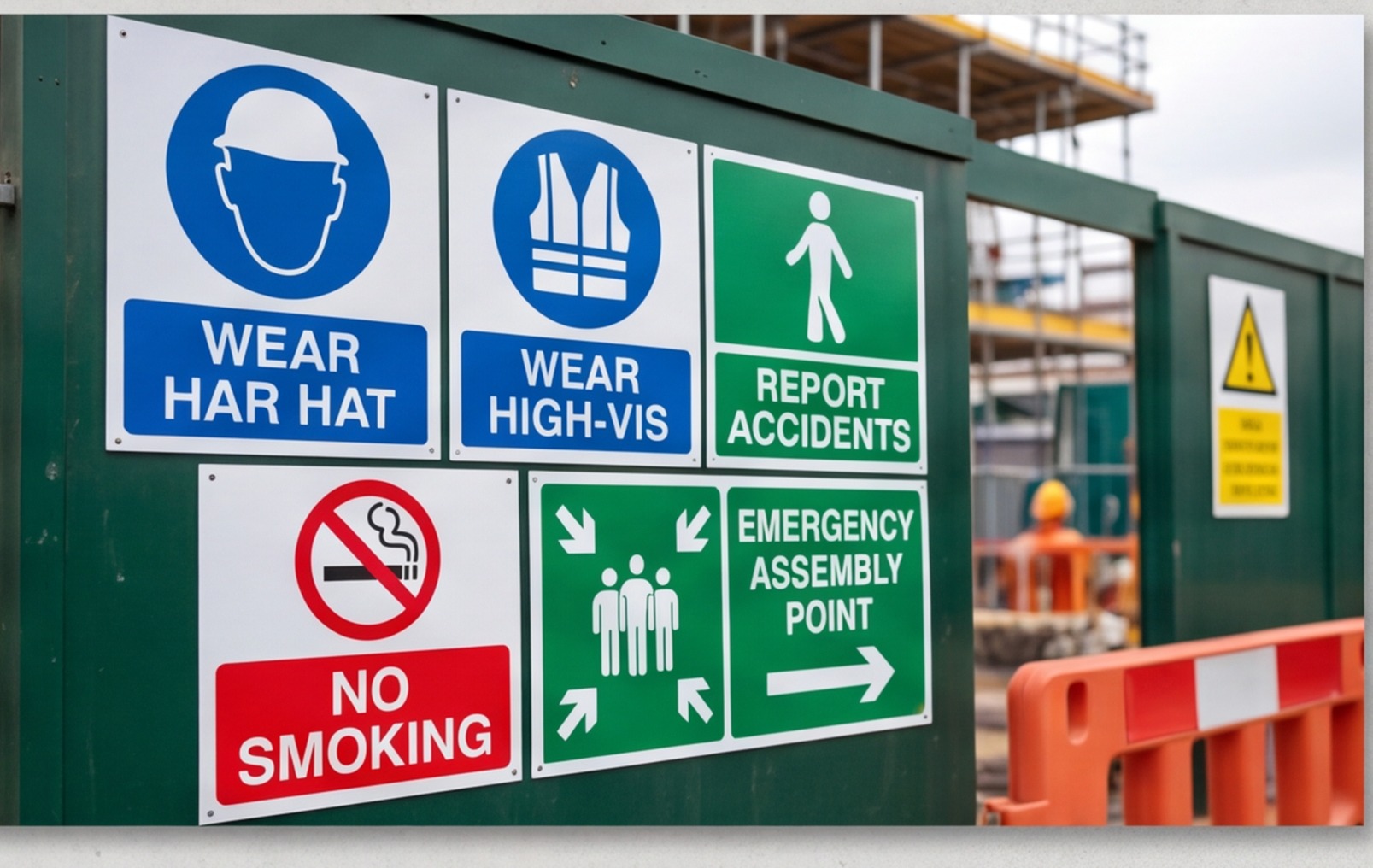
Here's where I see the most confusion. Builders ask: "Does HSE have a template I must use?" The answer is no. HSE does not prescribe a single mandatory method statement format. What HSE guidance sets out — in the Construction (Design and Management) Regulations 2015 and associated guidance — is what information should be captured and communicated, not how it should be laid out.
The key legal references are:
- CDM Regulations 2015: require a Construction Phase Plan with suitable method statements for every construction project, not just large ones — the 30-working-day/20-worker or 500-person-day thresholds only determine whether the project must also be notified to the HSE (an F10 notification), not whether method statements are required.
- Management of Health and Safety at Work Regulations 1999: require all employers to assess risks and implement appropriate control measures — a method statement is one mechanism for documenting how those controls will be applied to specific tasks.
- Work at Height Regulations 2005: specifically require planning, risk assessment and method statements for work at height activities.
For smaller domestic jobs that don't trigger CDM notification, a principal contractor or client may still request a method statement as a contractual requirement. Many domestic clients and property developers require RAMS (Risk Assessment and Method Statement) from all contractors regardless of project size. That's their right — it's a contractual requirement, not a statutory one for non-notifiable projects.
The practical takeaway: even if your job doesn't legally require a method statement, you should write one for any high-risk activity. It demonstrates competence, protects you legally, and forces you to think through the task properly before you start.
The Seven Standard Sections
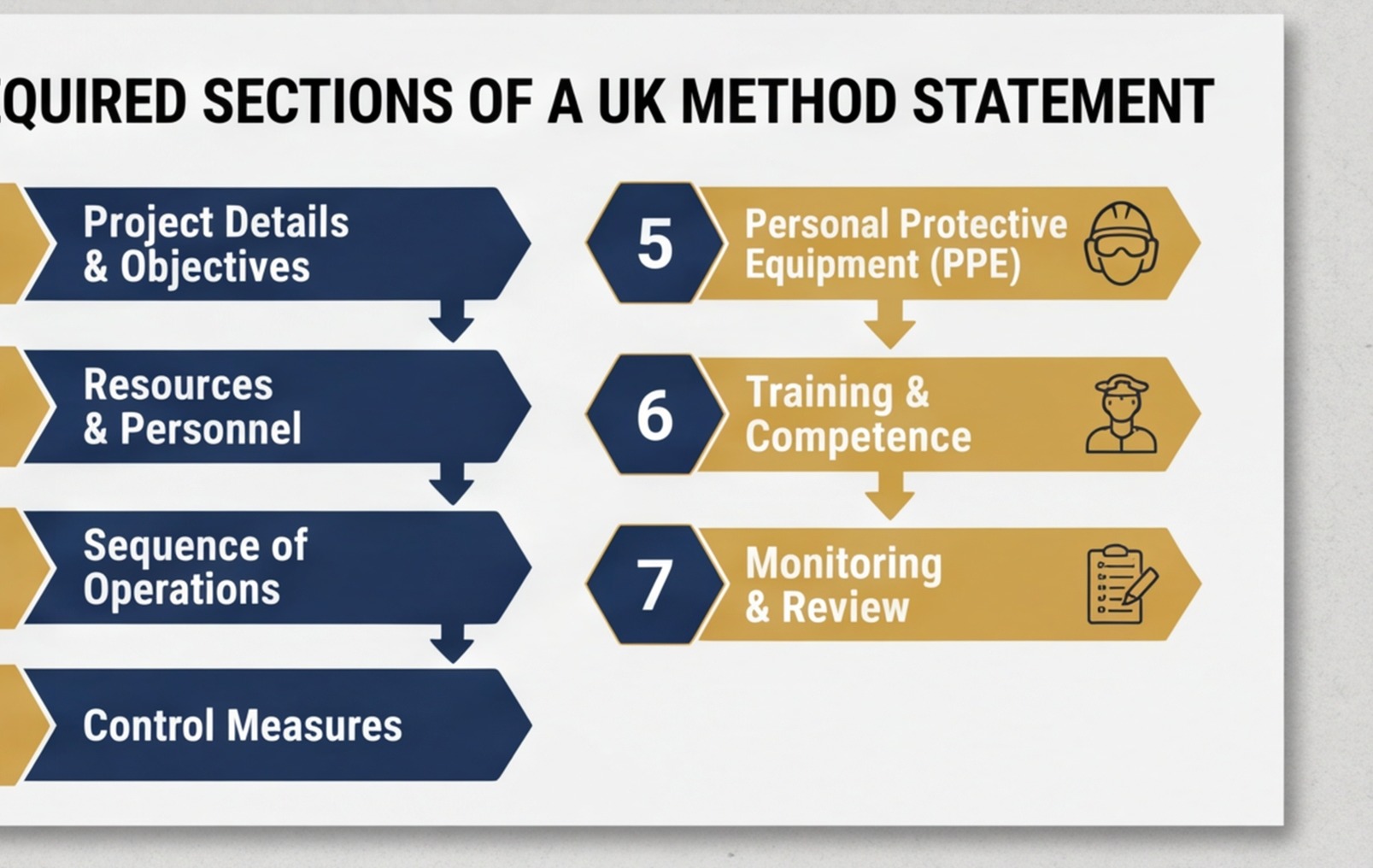
While there's no single mandated template, most UK construction method statements follow a structure with seven core sections. Here's what each one needs to contain:
1. Task Description and Scope
What work is being done, where, and by whom. Name the project, the site address, the company carrying out the work, the specific task the method statement covers (not the entire project — a method statement should cover a specific activity), the planned start date and duration, and the names or roles of the supervisors.
2. Sequence of Operations
The step-by-step description of how the work will be carried out in the correct order. This is the core of the document. Each step should be clear enough that someone unfamiliar with the task can understand what happens when. For complex tasks, include diagrams or sketches. Don't just write "carry out the work safely" — describe the actual method.
3. Hazard Identification and Risk Controls
List each significant hazard associated with the task and describe the specific control measure being applied. The hazards should be those relevant to this particular task on this particular site — not a generic list of every possible construction hazard. Control measures should follow the hierarchy of control: elimination, substitution, engineering controls, administrative controls, PPE (in that order of preference).
4. Plant, Equipment and Materials
List all plant (scaffolding, MEWP, power tools, lifting equipment), materials and specialist equipment that will be used. Include relevant LOLER/PUWER inspection requirements, any equipment that requires trained operators, and any materials with specific COSHH implications (substances hazardous to health).
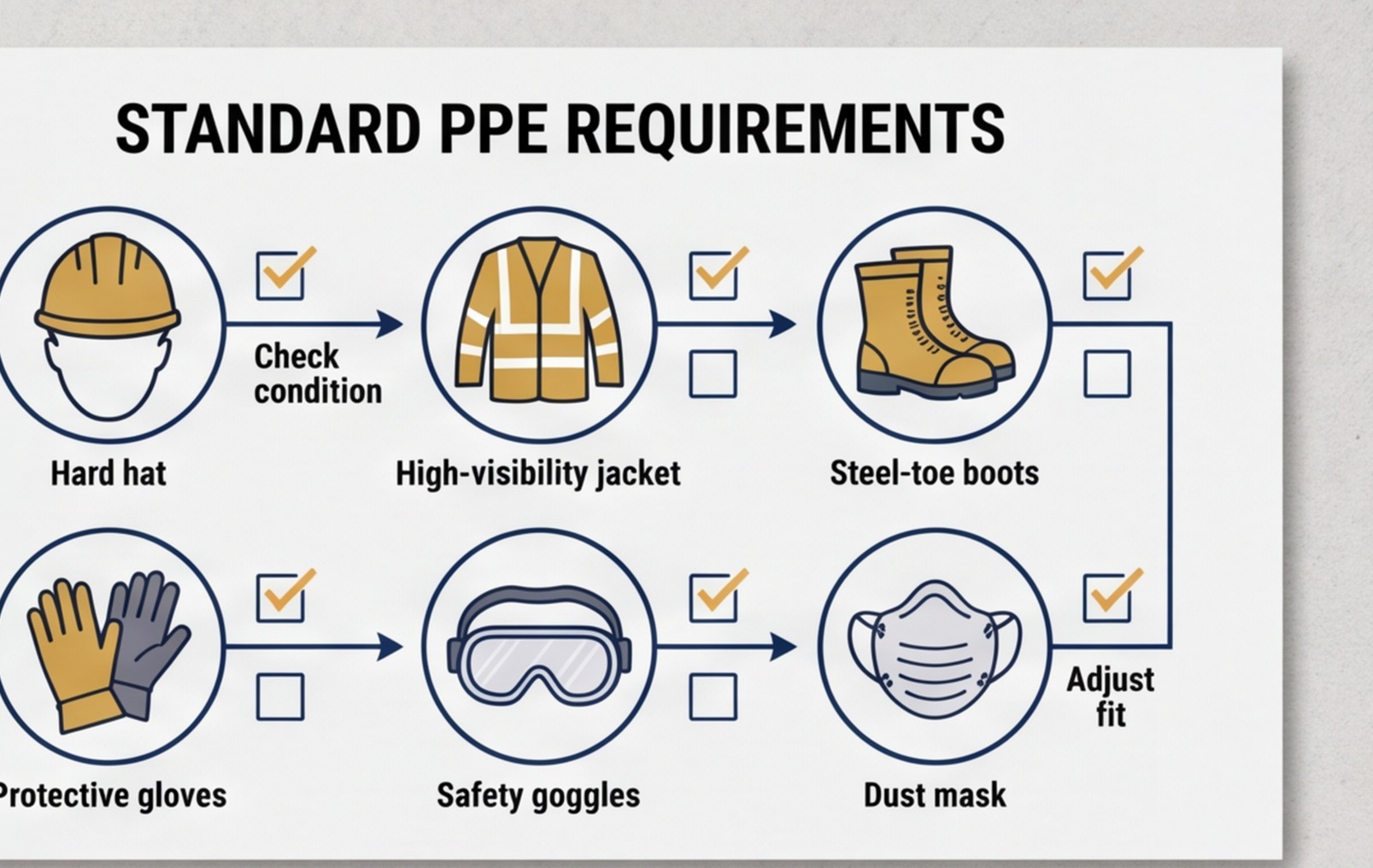
5. PPE Requirements
Specify the minimum PPE requirements for each stage of the work. Don't just write "hard hat and hi-vis" for everything — PPE requirements should be task-specific. Demolition work requires different PPE to plastering. Work at height requires a harness or appropriate fall protection. Work with silica-dust-generating activities requires RPE to the correct standard.
6. Emergency Procedures
What happens if something goes wrong. Who is the first aider on site? Where is the first aid kit? What is the procedure for calling emergency services? What is the assembly point? If the task involves specific foreseeable emergencies (a fall from height, a chemical spill, a structural collapse), describe the specific response procedure for each.
7. Personnel and Competency
List who will carry out the work and confirm their competency for the specific task. This might include trade qualifications, CSCS card types, IPAF or PASMA certificates for work at height equipment, CPCS for plant operators, or specific licences. Include supervisor name and their relevant competency. Keep copies of relevant certificates with the RAMS file for the project.
Method Statements and RAMS
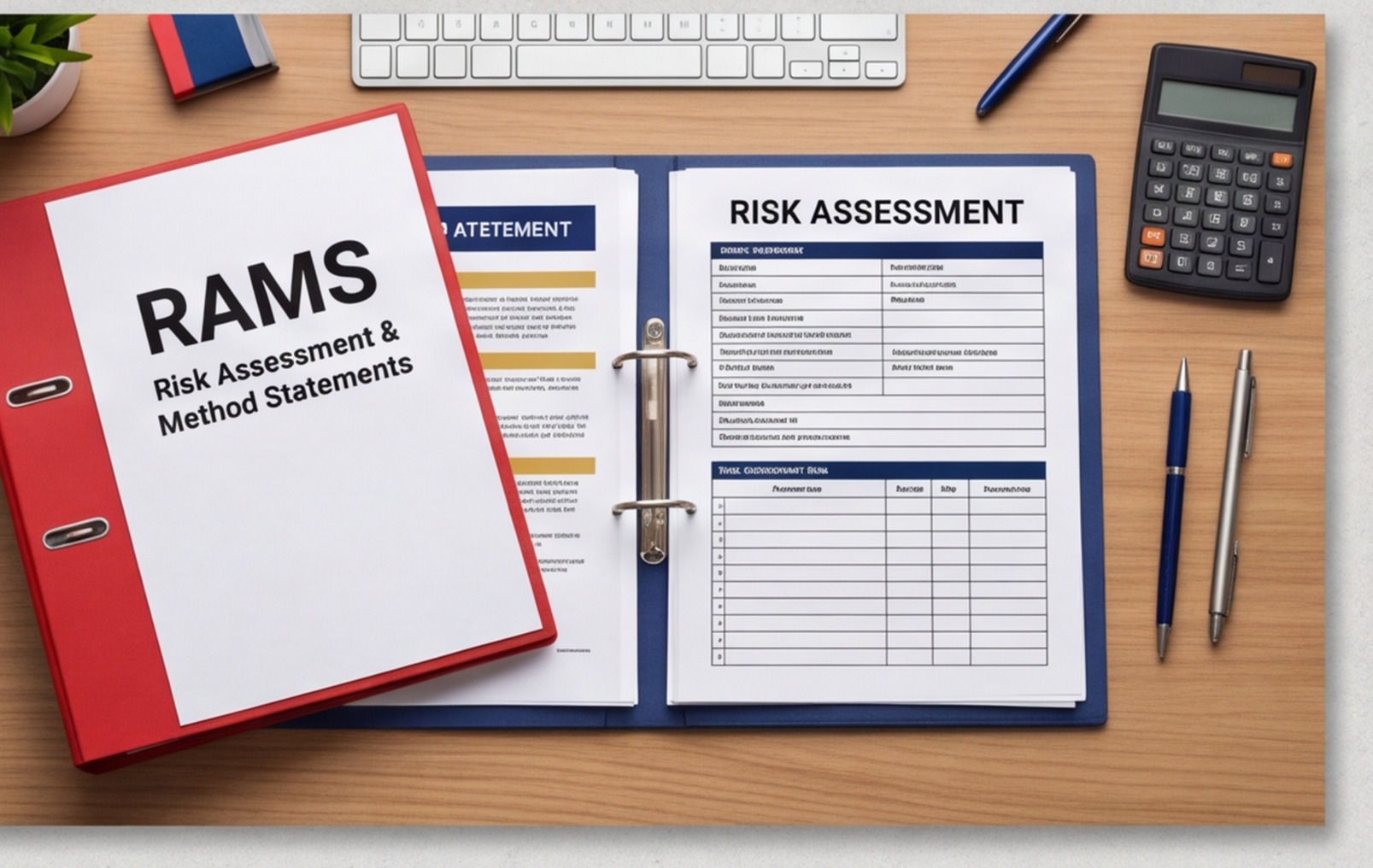
In practice, most contractors in the UK submit RAMS — Risk Assessment and Method Statement — as a combined document. The risk assessment and method statement are complementary: the risk assessment identifies what can go wrong and how likely and severe it is, and the method statement describes what controls will be in place to prevent it. Submitting them together is sensible and expected by most principal contractors.
The risk assessment should follow a standard format:
| Likelihood | Minor injury | Major injury | Fatality |
|---|---|---|---|
| Very likely | Medium | High | High |
| Likely | Low | Medium | High |
| Unlikely | Low | Low | Medium |
| Very unlikely | Low | Low | Low |
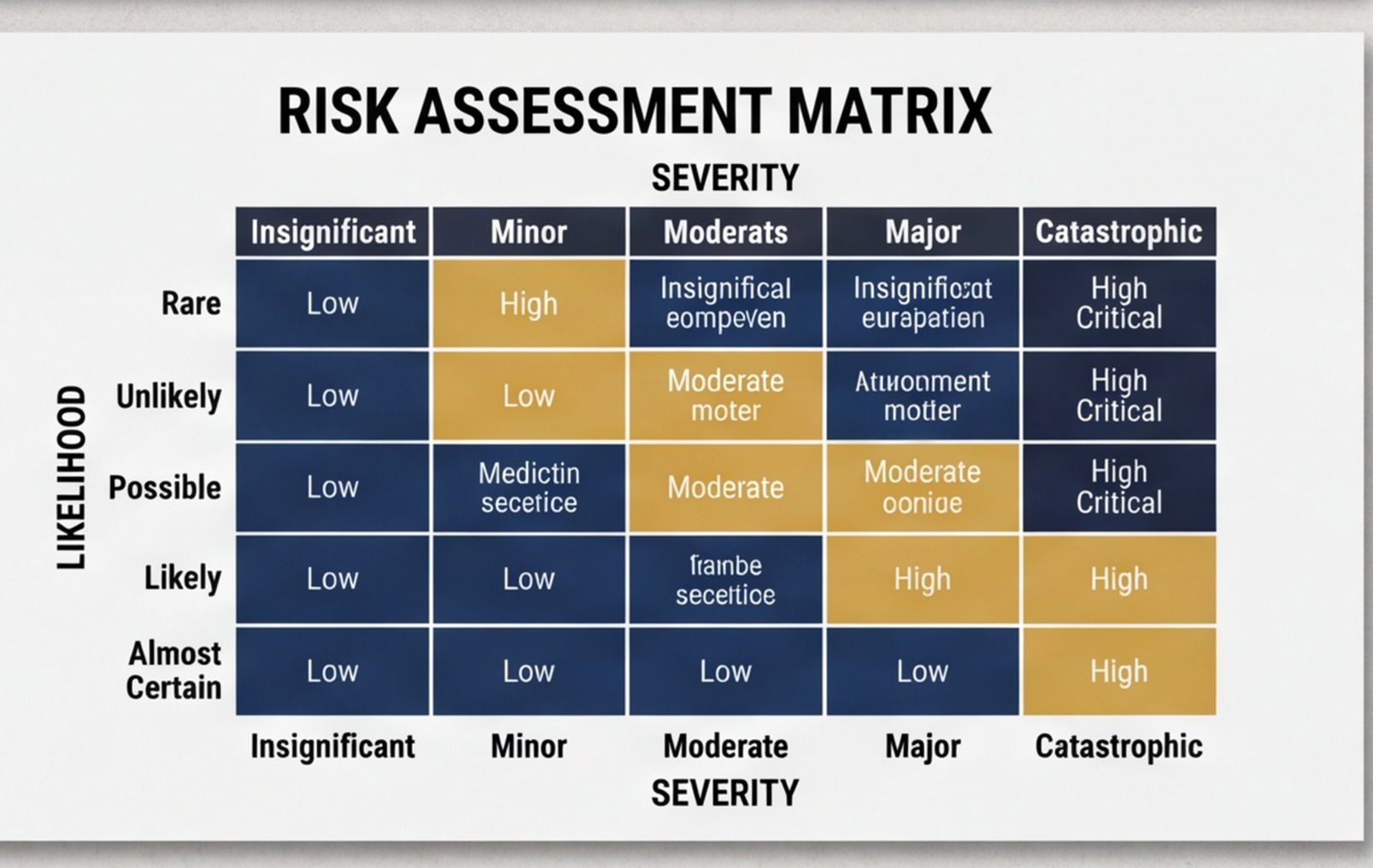
Residual risk (after controls are applied) should be rated as part of the assessment. If residual risk remains high, the control measures are insufficient and the task shouldn't proceed until they're improved.
Common Mistakes Builders Make
After reviewing a lot of method statements over the years — my own and others' — here are the mistakes I see most often:
Generic, copy-paste documents
The most common problem. A method statement that could apply to any job on any site for any contractor is essentially useless. Principal contractors can tell immediately. If your method statement doesn't mention the specific site address, the specific task being undertaken, or the specific hazards relevant to your work and location, it needs rewriting.
Missing the briefing step
A method statement that isn't read and signed by the operatives doing the work is paperwork, not safety management. Build in a toolbox talk or site briefing at the start of every task, and get signatures from everyone who'll be doing the work. The sign-off sheet should be kept with the RAMS file.
Not updating when conditions change
If the site conditions change — weather, access routes, adjacent working activities, equipment substitution — the method statement needs reviewing and updating. A method statement written for ideal conditions that's applied as-is during a storm or site constraint isn't doing its job.
Inadequate emergency procedure
Many method statements list emergency procedures as "call 999" without addressing the site-specific response. On a confined construction site, getting emergency services to the right location, having a first aider present for high-risk tasks, and having a clear assembly point can be the difference between a near-miss and a fatality.
Method Statements in CDM Projects

Under CDM 2015 (Construction Design and Management Regulations), notifiable projects require a Construction Phase Plan that incorporates the health and safety management arrangements for the project — including method statements for high-risk activities.
For subcontractors working under a principal contractor on a CDM project:
- The principal contractor will define what RAMS are required and by when
- RAMS must be submitted and approved before the relevant work begins — not on the morning you're starting
- The principal contractor may return RAMS for revision if they're not site-specific or don't address identified hazards adequately
- All RAMS must be available on site throughout the project and available for inspection by HSE if requested
For smaller domestic projects that aren't CDM notifiable, the client or their project manager may still request RAMS as a contractual condition. On a well-run domestic project — particularly one involving multiple trades, work at height, or structural alterations — providing RAMS proactively marks you out as a professional contractor and can be the deciding factor in winning the job.
Generating Supporting Site Documents Faster

One of the main reasons builders produce poor method statements is time pressure. You're pricing three jobs, managing two on site, and a principal contractor wants your RAMS for next Monday. The temptation is to copy-paste from the last job and change the site name.
We built the document generation capability in RenoCalc partly to address exactly this kind of problem. While RenoCalc is primarily a quoting tool — generating trade-by-trade cost breakdowns from floor plans in under three minutes — the same project information that drives your quote also drives your supporting documentation. The scope of works, trade sequence, and materials list from your RenoCalc quote are the inputs you need to write a relevant, site-specific method statement quickly.
The principle is: don't write your RAMS in isolation from your quote. The work sequence that drives your programme should be reflected in your method statement. If you use RenoCalc to structure your quote by trade and phase, the method statement for each phase writes itself more quickly because you already have the sequence mapped out. Get started with RenoCalc and generate your project scope before you start your RAMS paperwork.
For more on how professional site documentation fits into a well-run renovation project, read our guide to schedule of works templates — structuring your programme before the trades arrive is what prevents the kind of mid-project chaos that usually leads to incidents.
If you're also working on building a comprehensive site document library, the domestic building contract template article covers the contractual documentation that should sit alongside your RAMS.
Frequently Asked Questions
What is a method statement and when is it required?
A method statement is a document that describes how a specific task or activity will be carried out safely on a construction site. It sets out the sequence of operations, the hazards involved, the control measures in place, the equipment and materials to be used, and the persons responsible. Method statements are typically required by principal contractors and clients before work begins, particularly for high-risk activities. HSE guidance does not define a single mandatory format, but certain minimum content is expected — particularly for notifiable CDM projects. Always check what the principal contractor or client requires before writing yours.
What is the difference between a method statement and a risk assessment?
A risk assessment identifies the hazards associated with a task and assesses the likelihood and severity of harm — it asks 'what could go wrong?' A method statement describes how the task will actually be carried out and what controls will be applied — it asks 'how will we do this safely?' The two documents are complementary and are almost always submitted together as RAMS (Risk Assessment and Method Statement). The risk assessment informs the method statement: identified hazards in the risk assessment should be addressed by control measures set out in the method statement.
Does HSE have a specific method statement template?
HSE does not publish a single prescribed method statement template. Their guidance on construction safety sets out what information should be included in safe working method statements for high-risk activities, but the format is not mandated. What HSE does require is that method statements for notifiable CDM projects are included in the Construction Phase Plan, that they are suitable and sufficient for the specific task and site, and that they are briefed to workers before the task begins. Generic template method statements that aren't adapted for the specific job are unlikely to satisfy a diligent principal contractor or HSE inspector.
What should a method statement include?
A method statement for construction work should include: job/task description and location; the sequence of operations step by step; hazards identified and control measures applied; equipment, plant and materials to be used; PPE requirements; emergency procedures and first aid arrangements; persons responsible for supervising the work; competency and qualifications of operatives; welfare arrangements. The method statement should be specific to the task — not a generic document that could apply to any job. It should be read and signed by the operatives carrying out the work before they start.
Who is responsible for writing a method statement?
The contractor carrying out the specific work is responsible for writing the method statement for that work. On a CDM-notifiable project, the principal contractor has an overall responsibility for the Construction Phase Plan (which incorporates or references method statements from subcontractors). Each subcontractor writes the method statement for their own scope of work. The principal contractor reviews and approves subcontractor method statements before the work begins. Self-employed sole traders carrying out high-risk activities should also produce method statements where required by the client or principal contractor.
Can I use a generic method statement template for all my jobs?
No — not if you want it to actually serve its purpose or satisfy a diligent client. A generic template that lists every possible hazard and control measure for every possible type of work is not a useful or legally meaningful document. HSE inspectors and principal contractors have seen thousands of them and regard them as paperwork tick-boxes. A proper method statement should be specific: specific task, specific site, specific hazards relevant to that job, specific control measures being applied on that project. Use a template as a starting framework, but tailor every section to the actual work being done.
How long should a method statement be?
There's no prescribed length. A method statement for a straightforward task — fitting a stud wall partition, for example — might be two or three pages. A method statement for complex or high-risk work — demolition, confined space entry, work at height on fragile roofs — might be ten pages or more. The test is not length but adequacy: does it cover the actual hazards, the actual control measures, the actual sequence of operations for this specific task? A concise, accurate method statement is always preferable to a lengthy but vague one.

Generate Your Project Scope Before You Write Your RAMS
A site-specific method statement starts with a clear scope of works. Upload your floor plan to RenoCalc and get a trade-by-trade project breakdown in under three minutes — the same information that makes your RAMS specific, accurate and fast to write.
Generate My Project Scope